

COLLECTOR SUMMARY
COLLECTOR SUMMARY
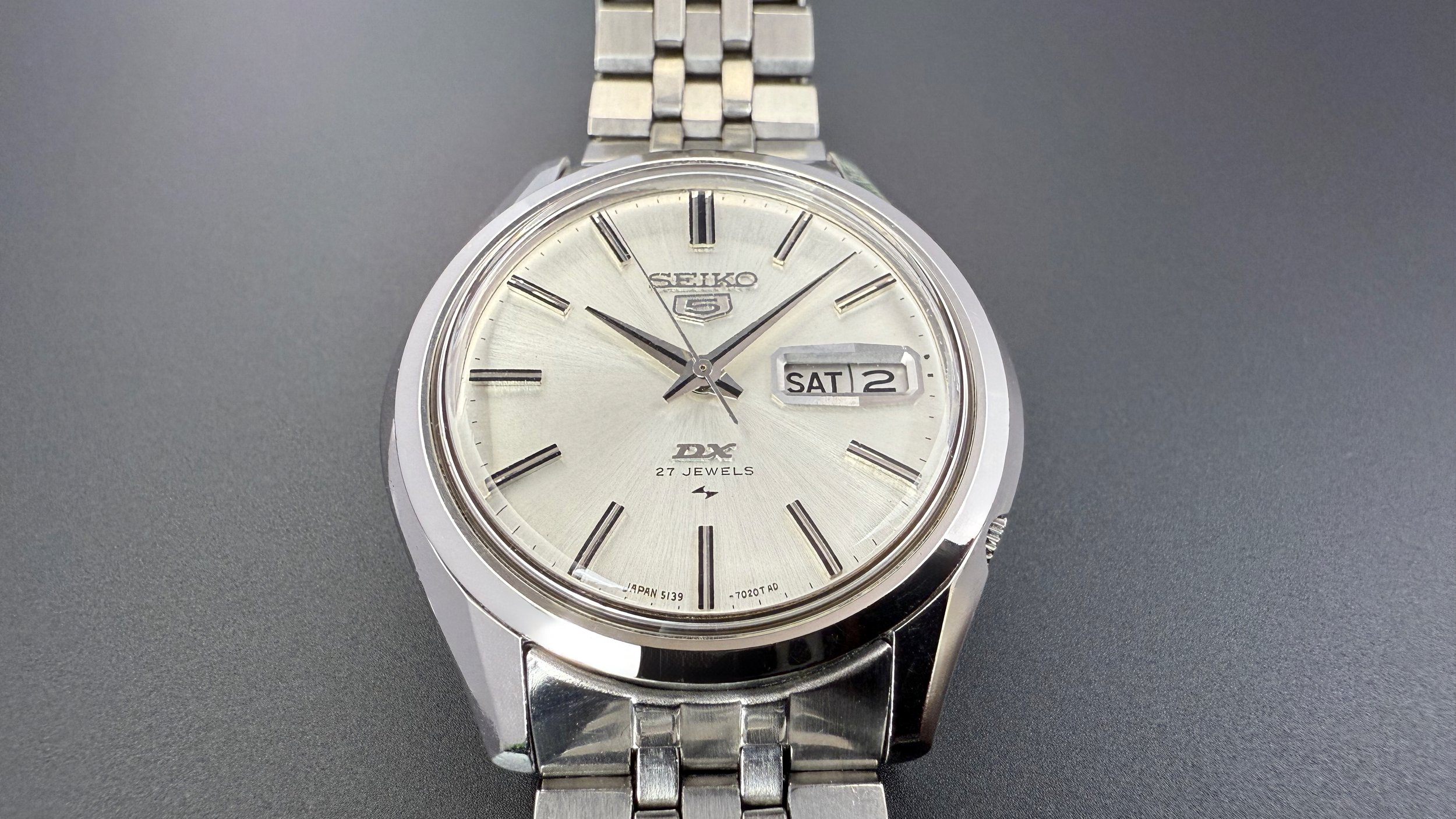
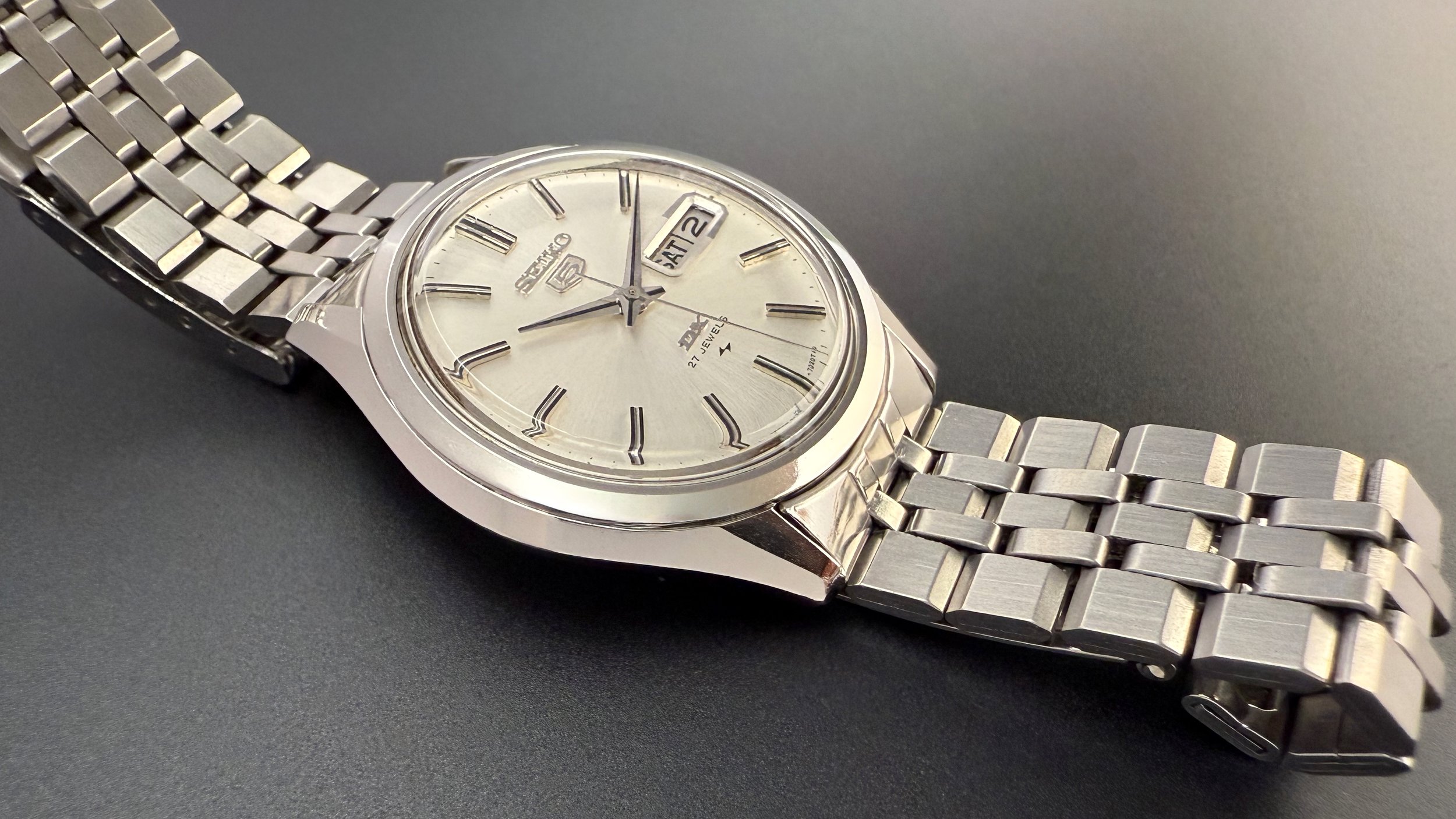
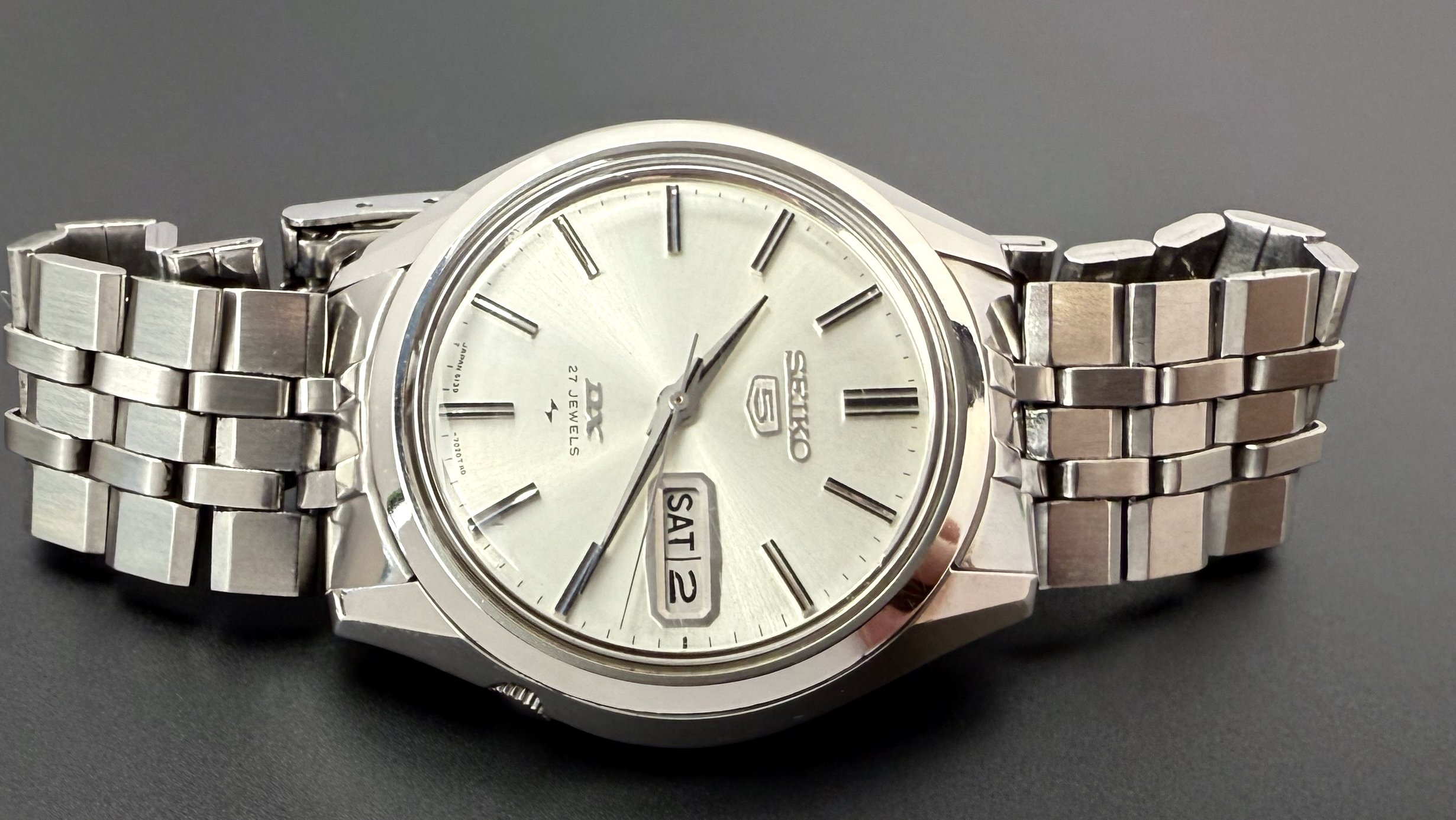
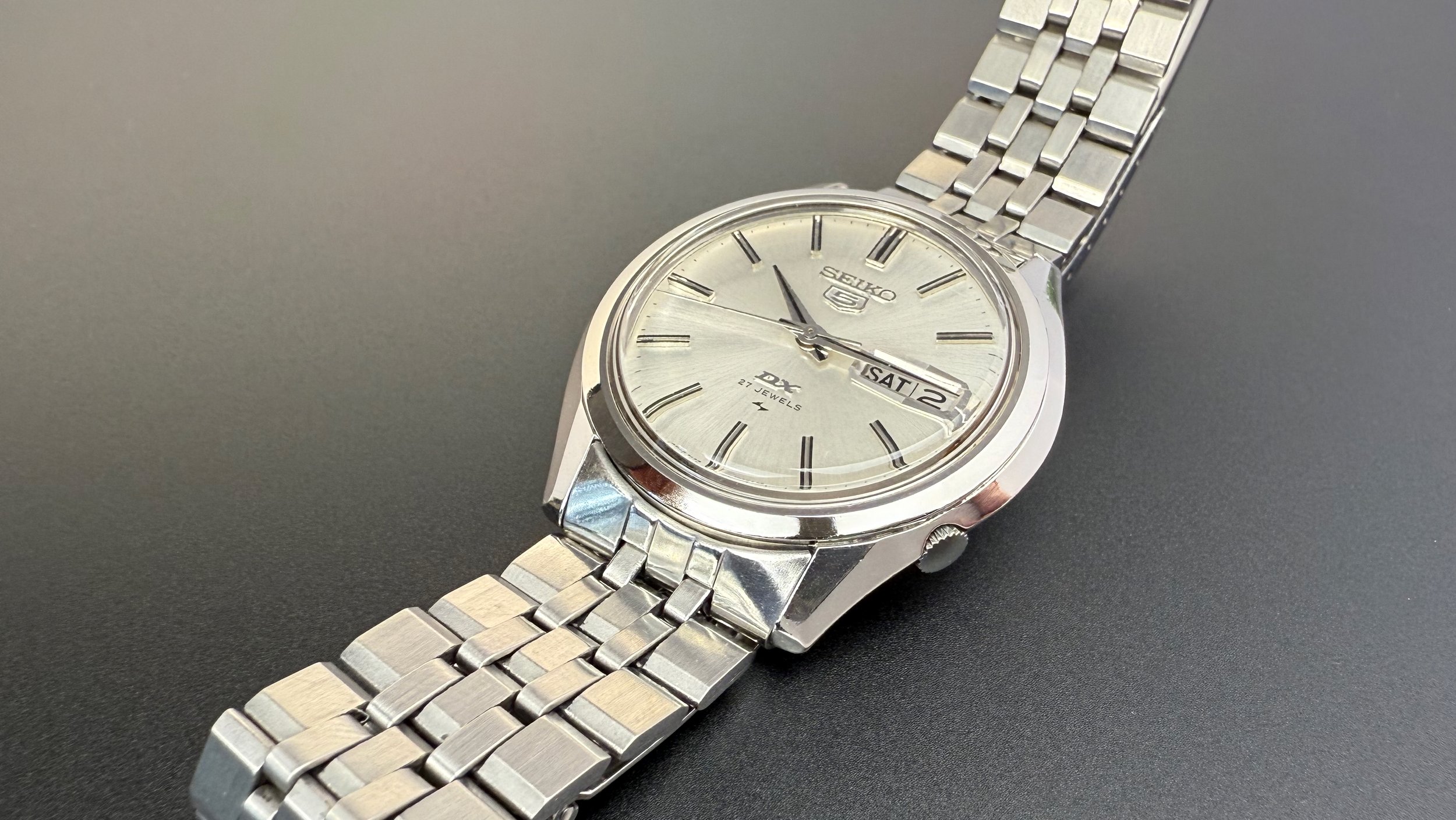
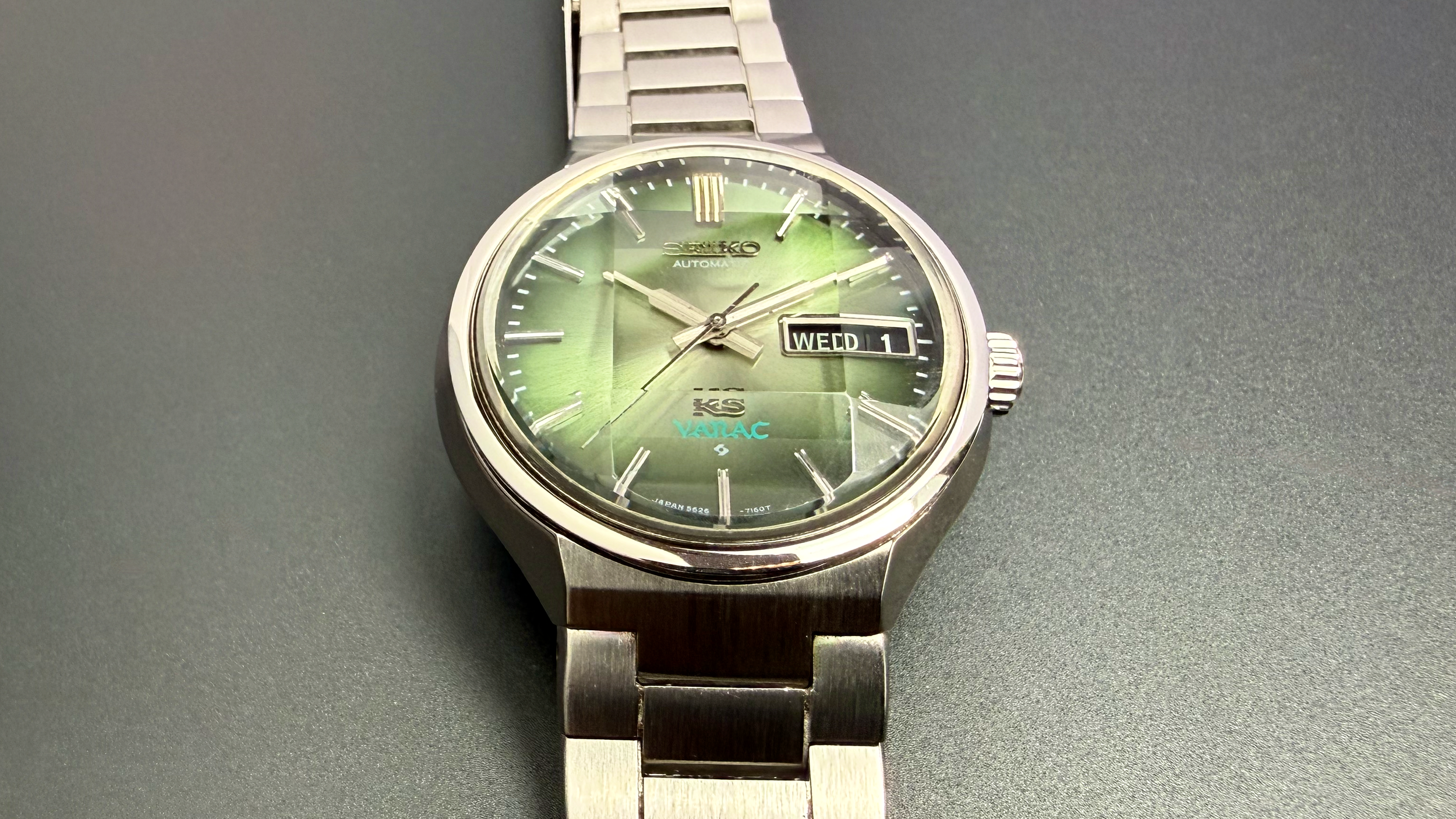
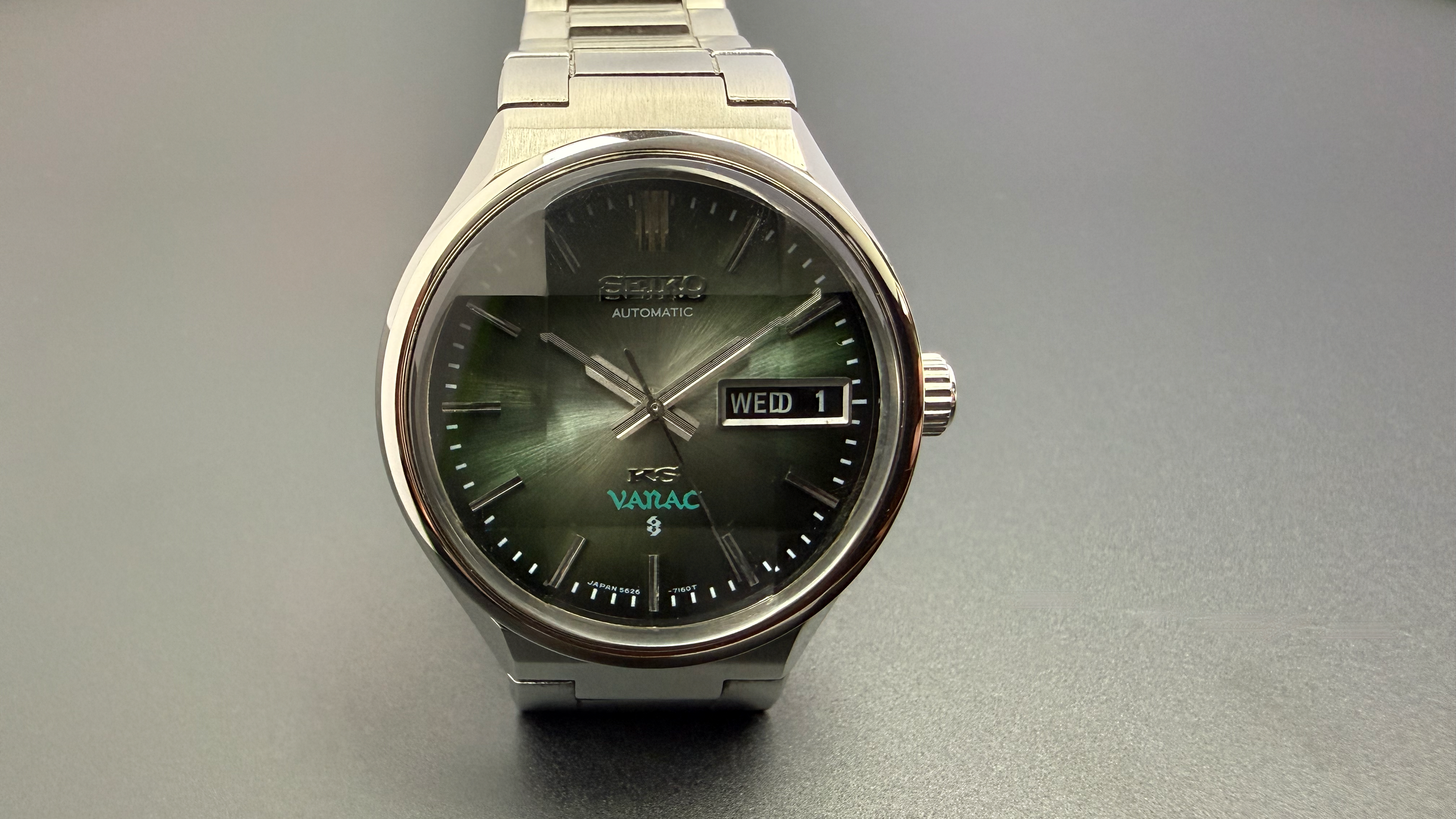
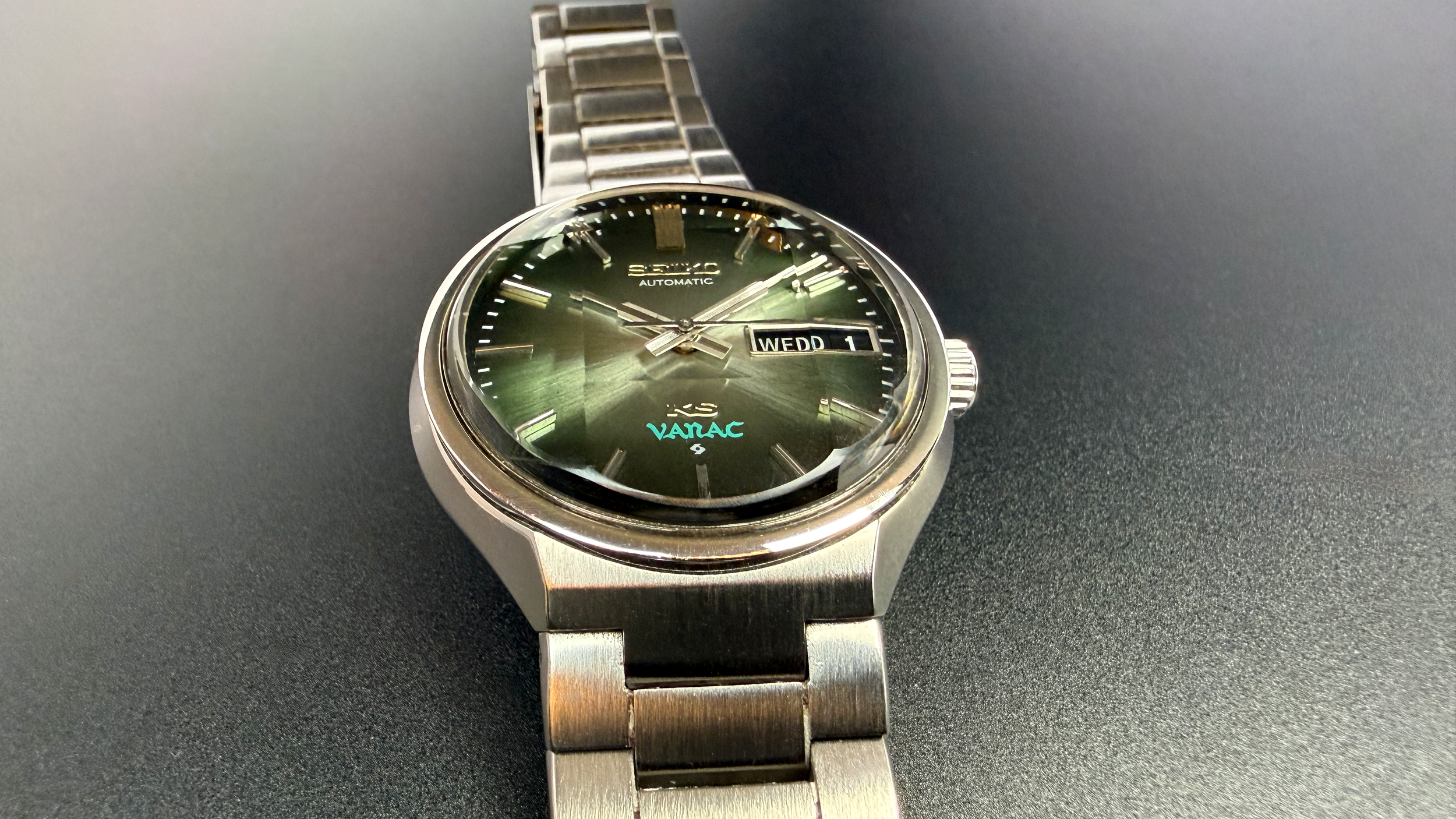
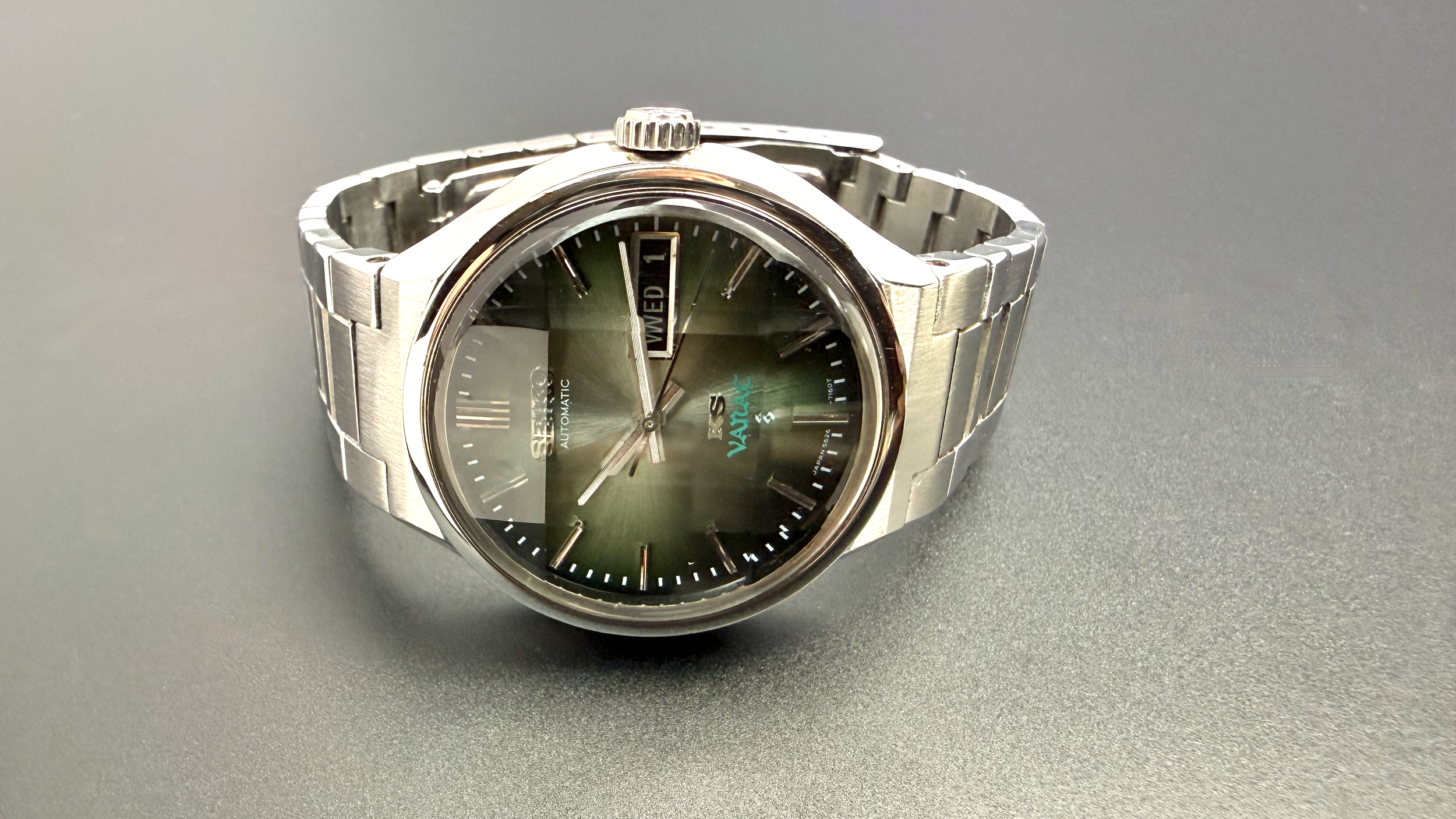
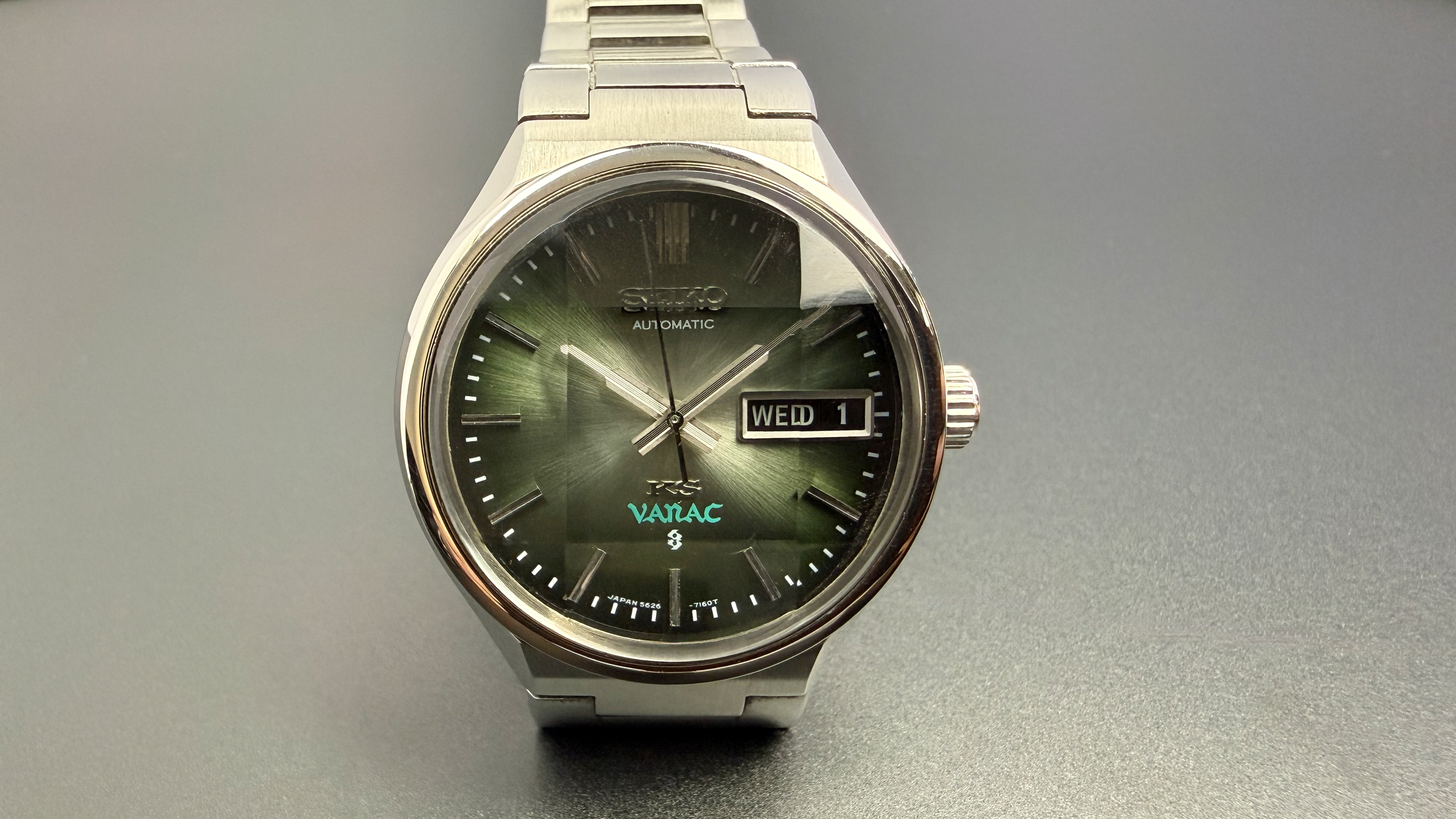
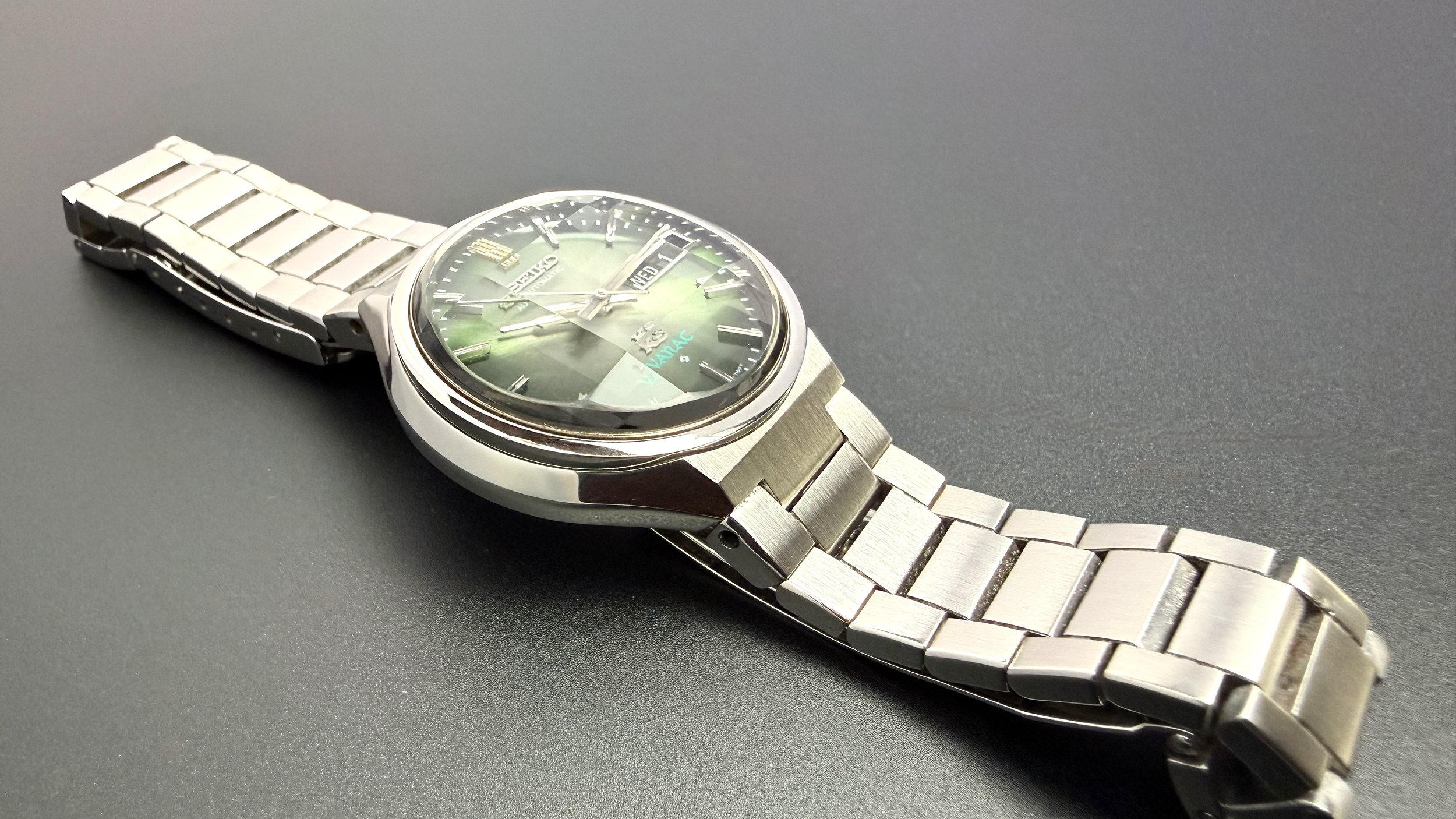
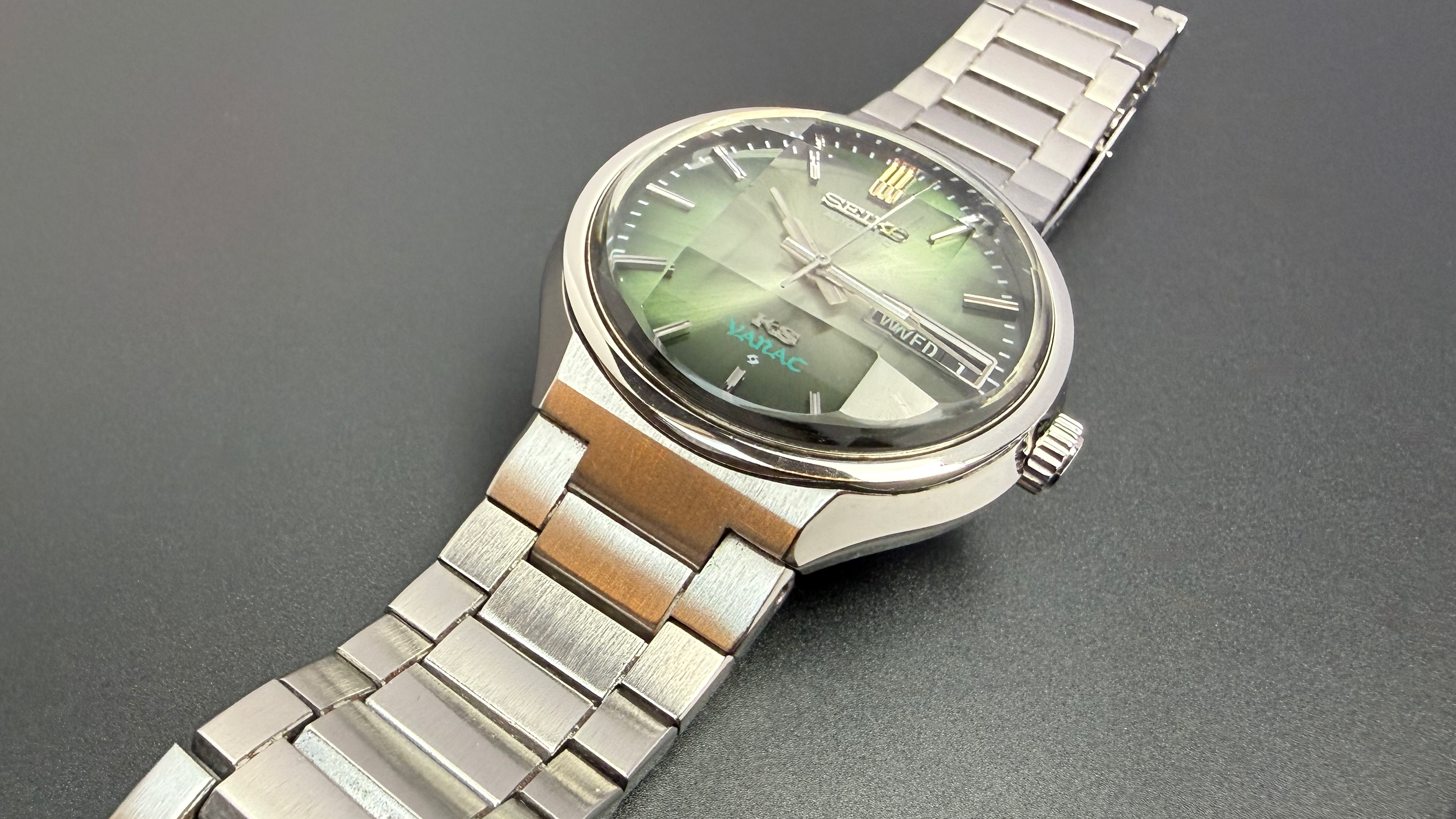
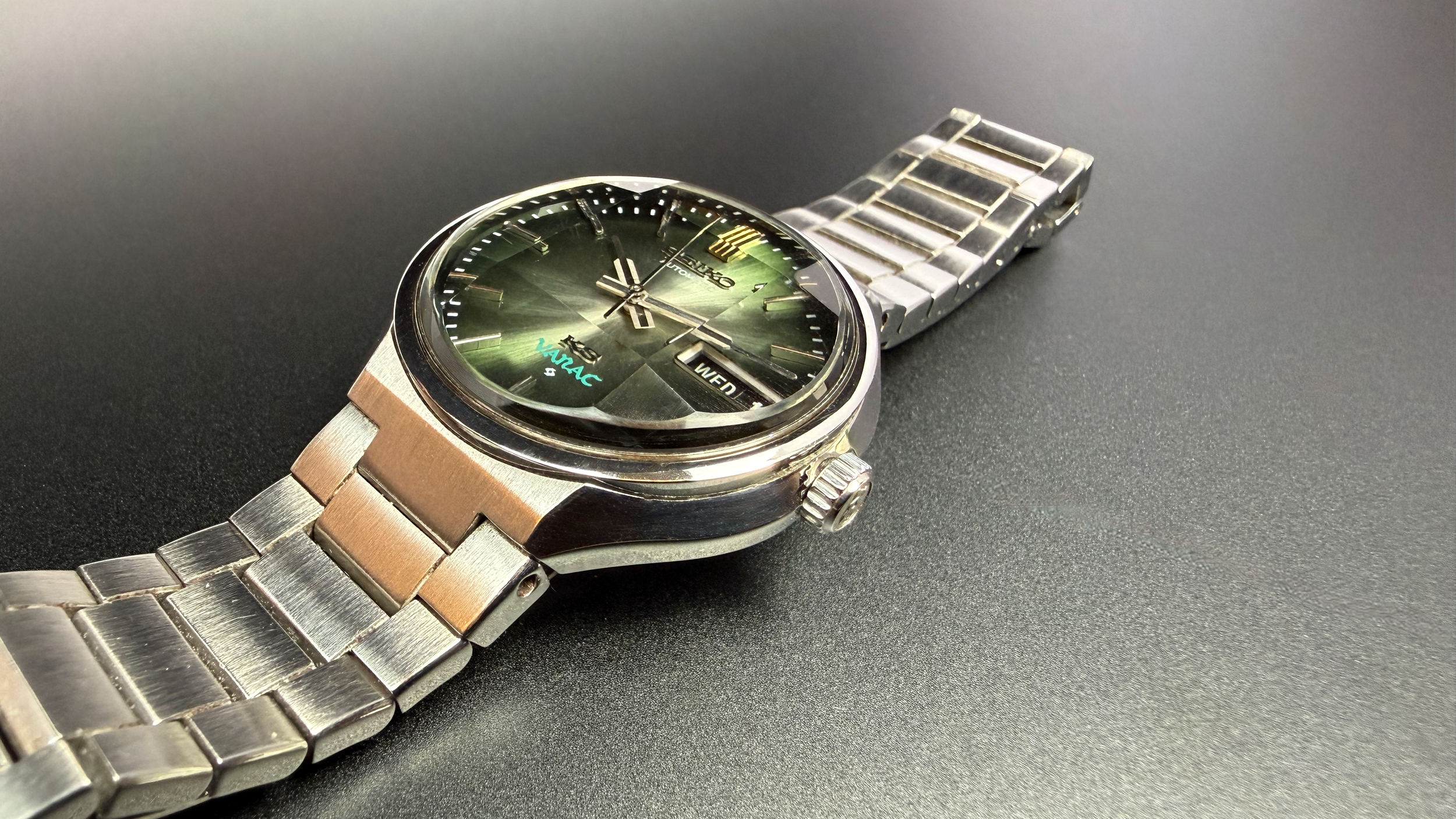
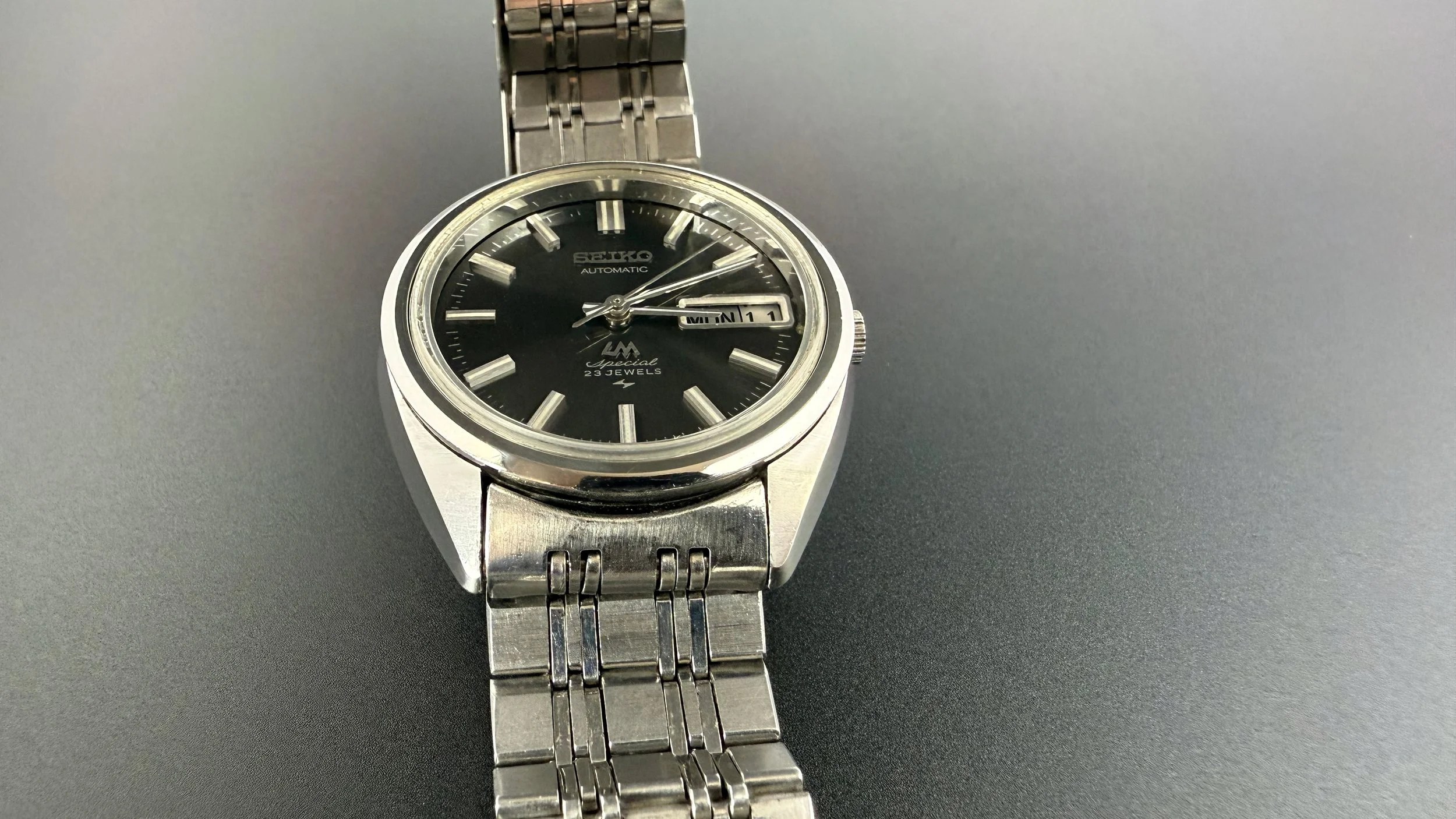
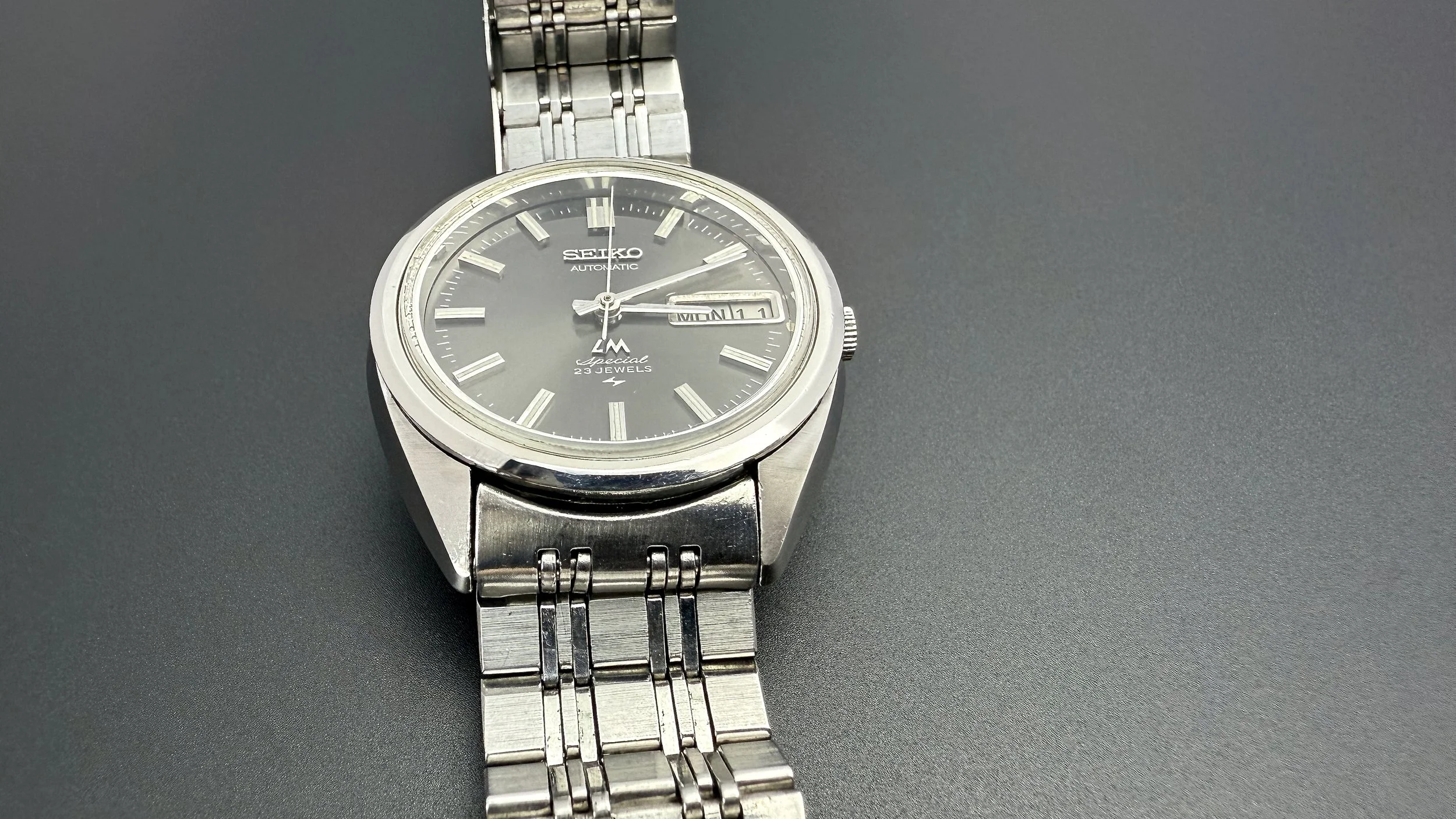
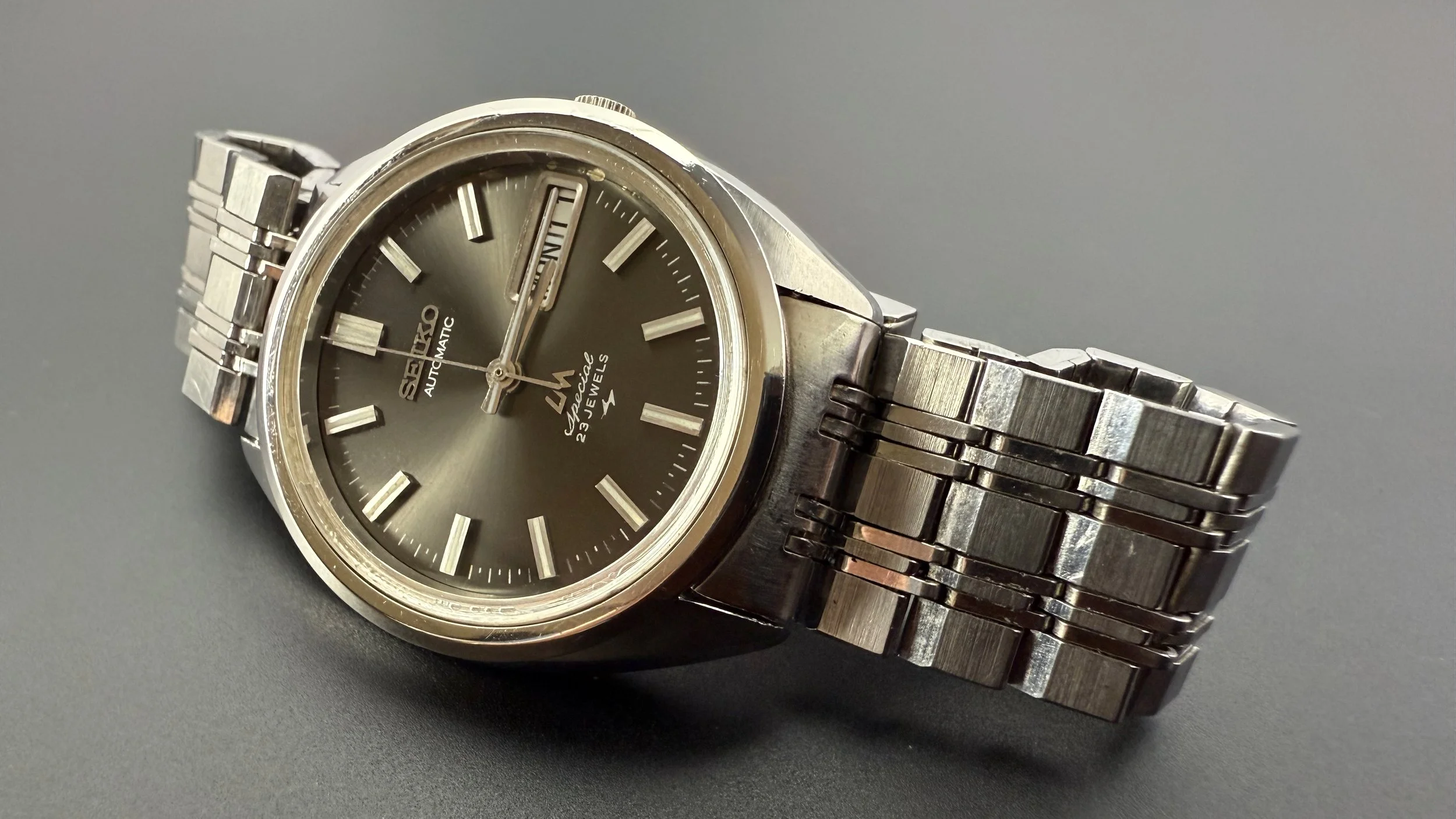
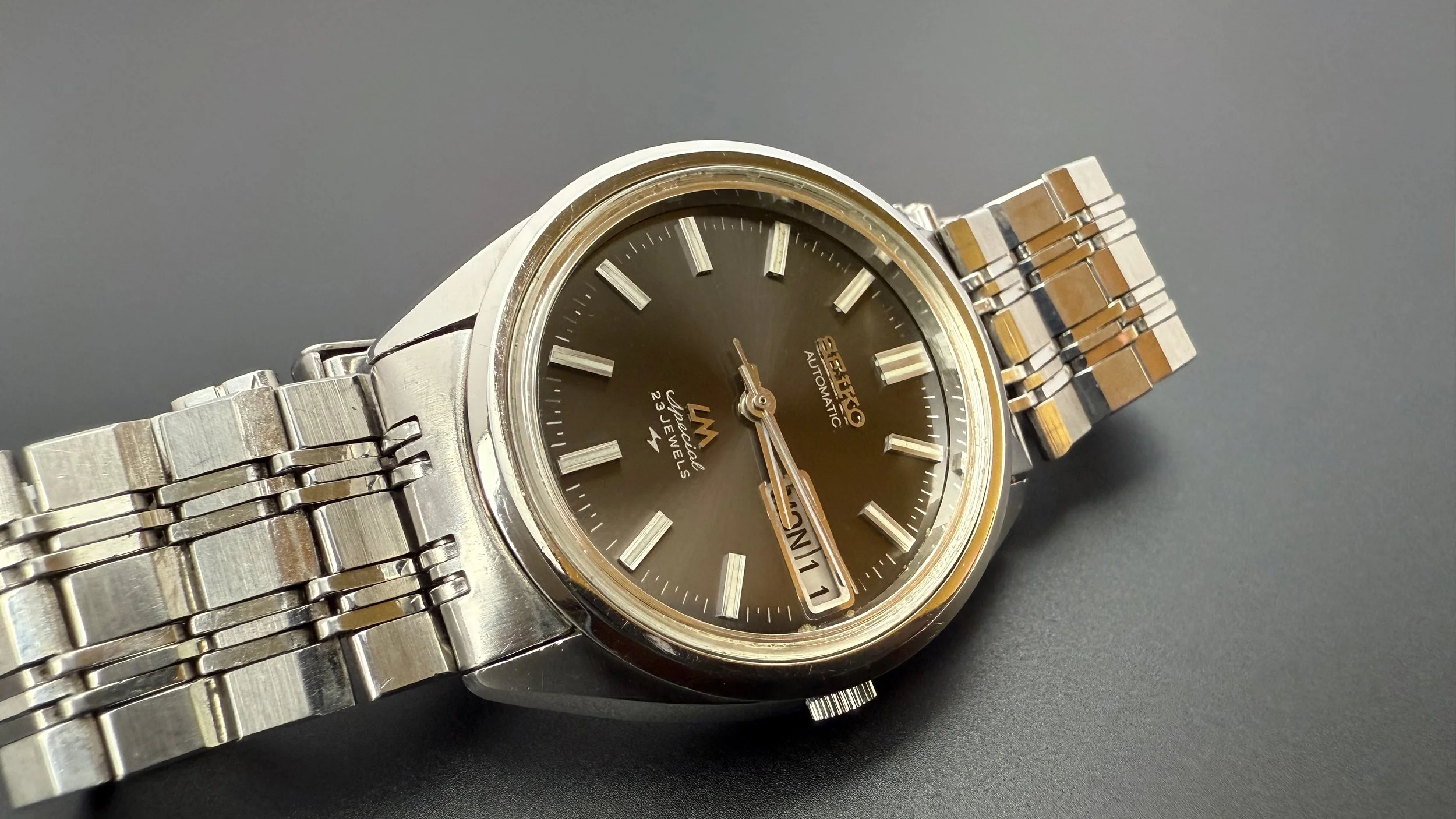
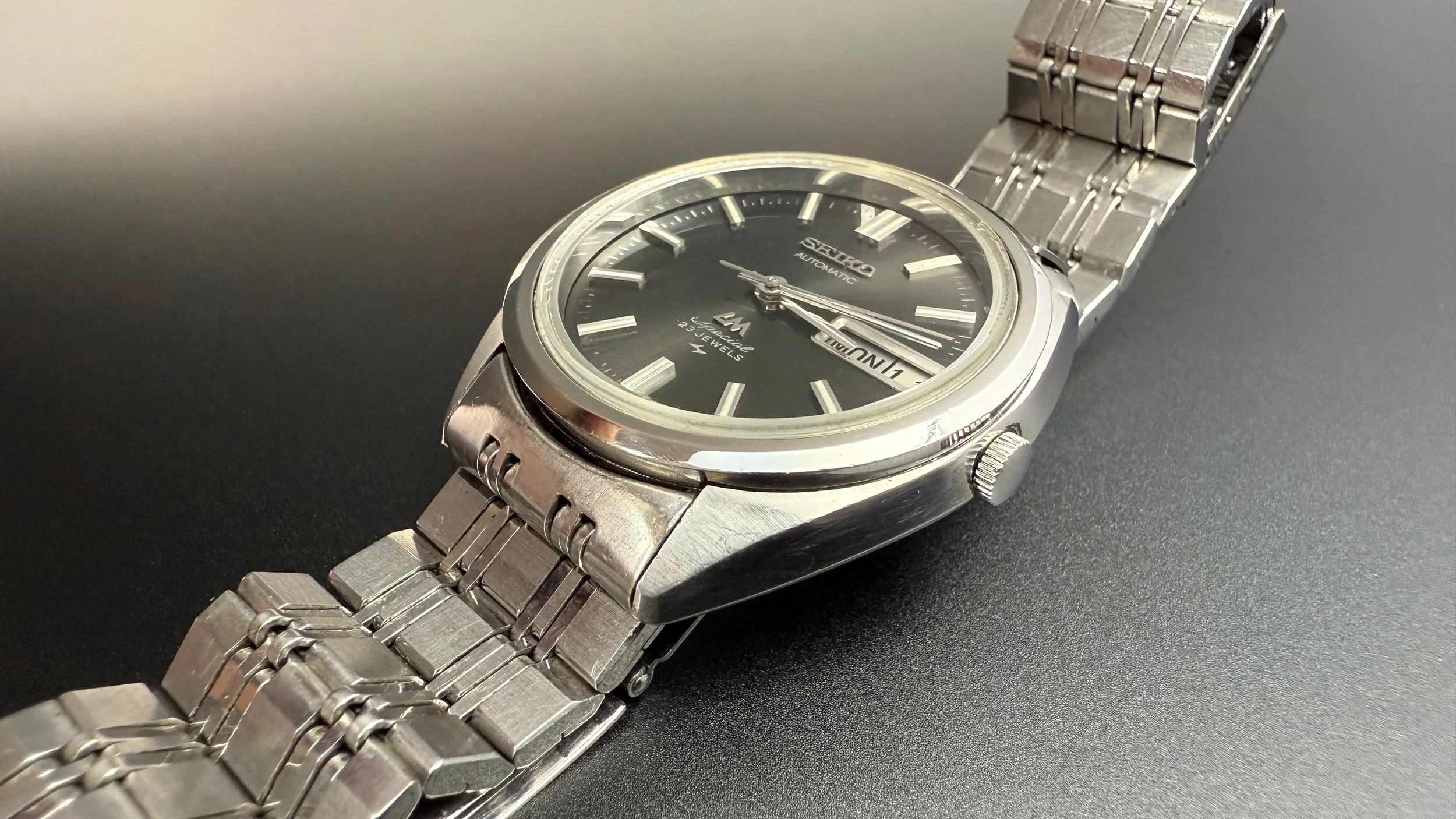
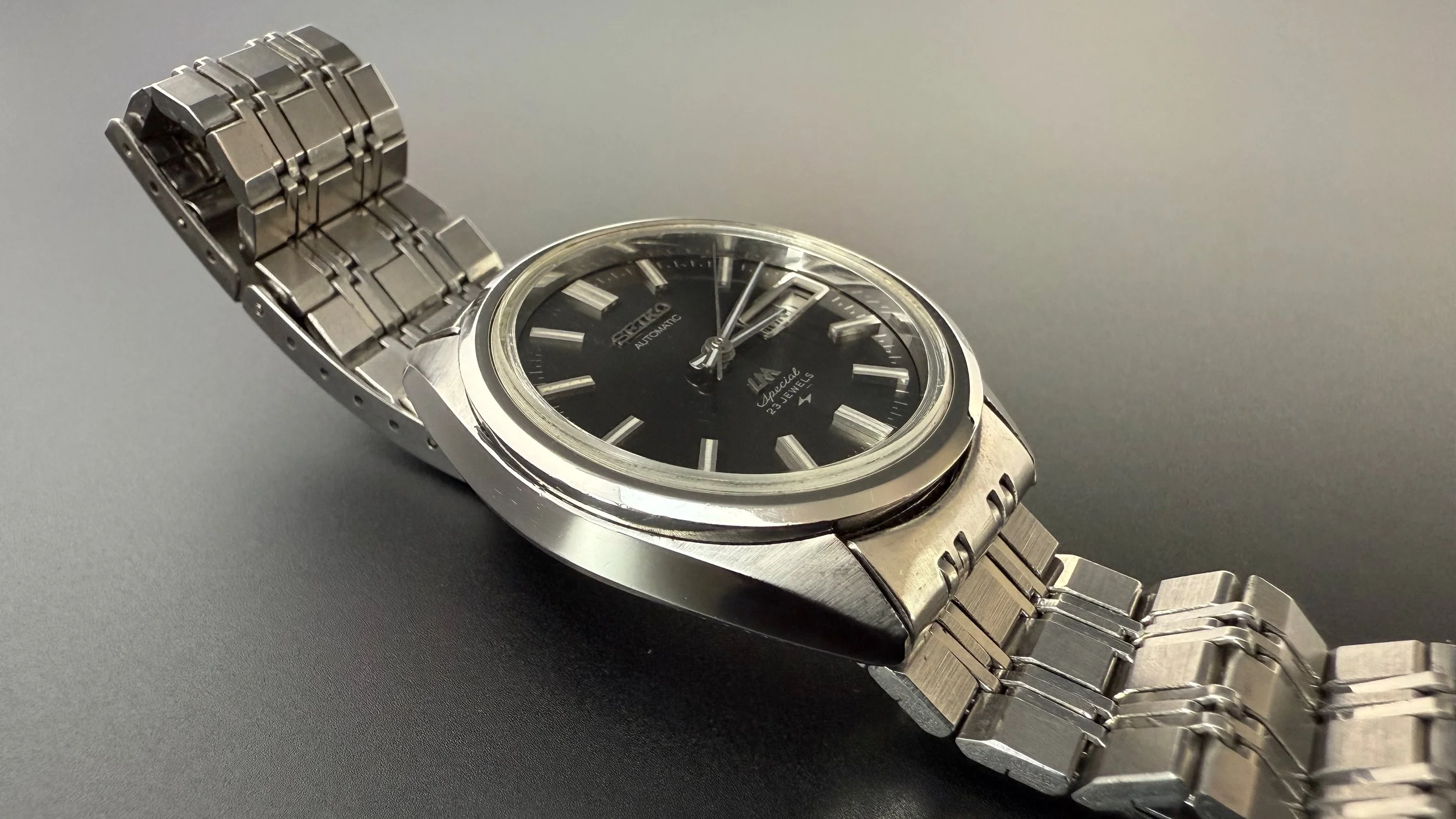
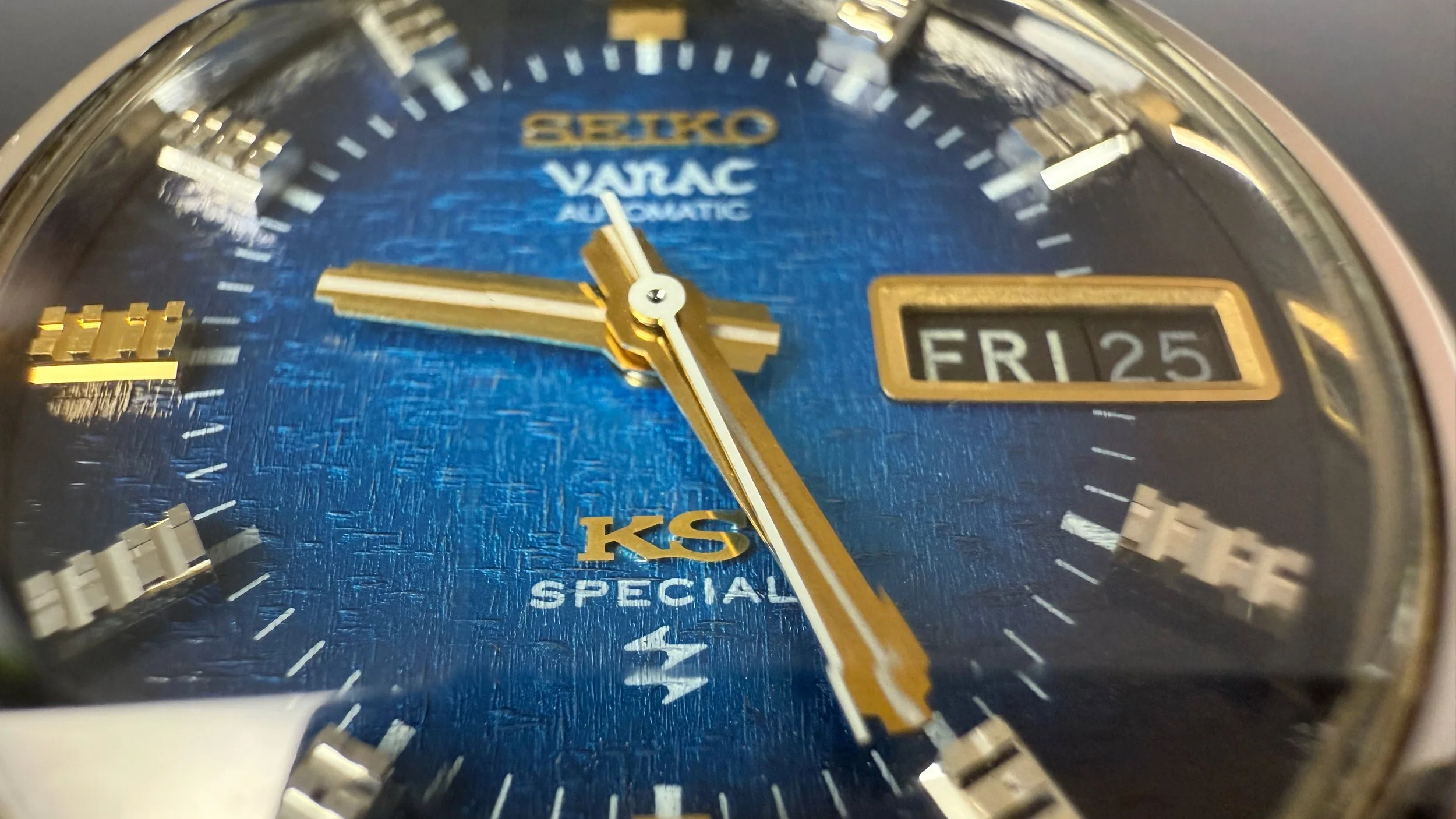
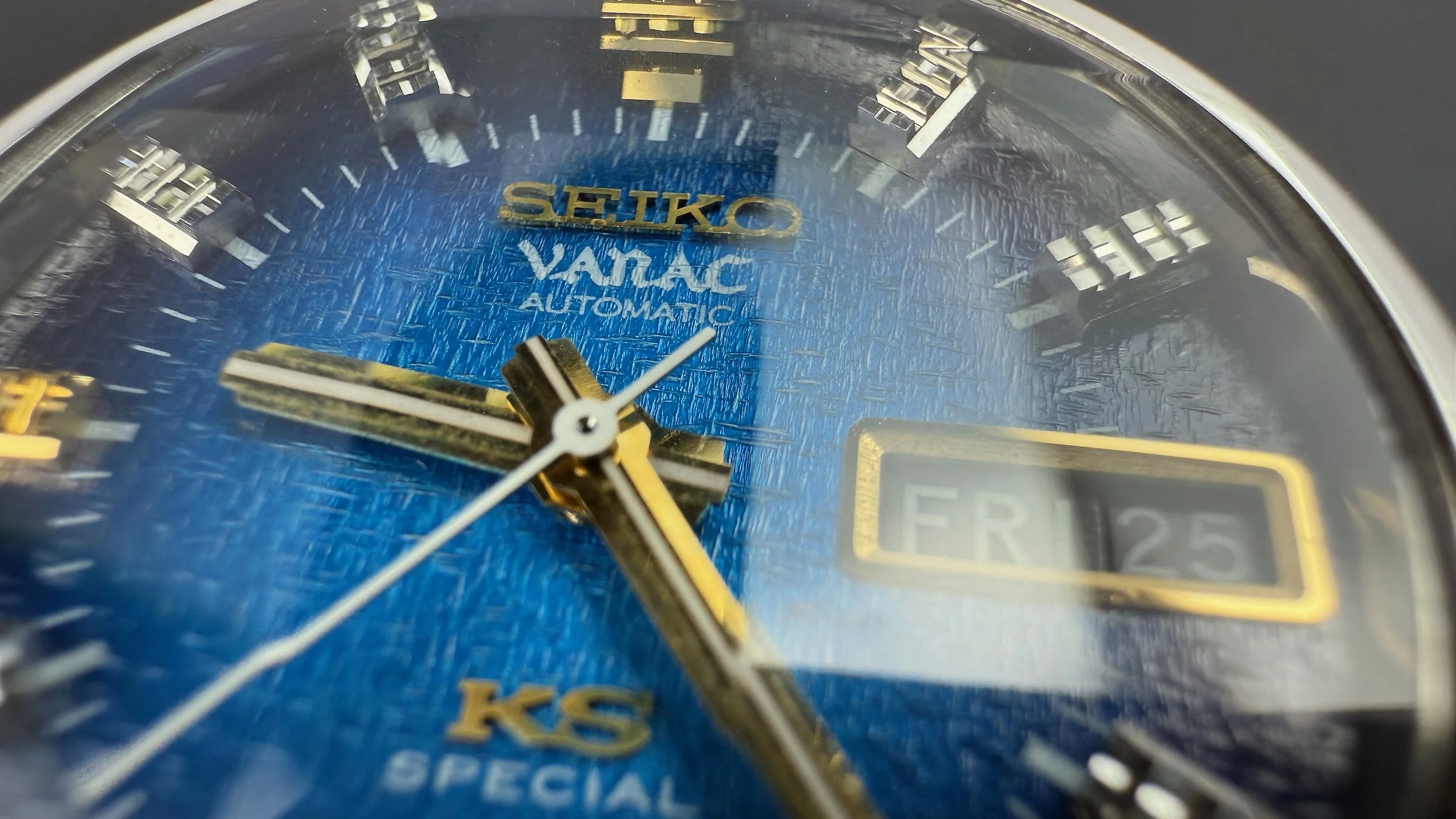
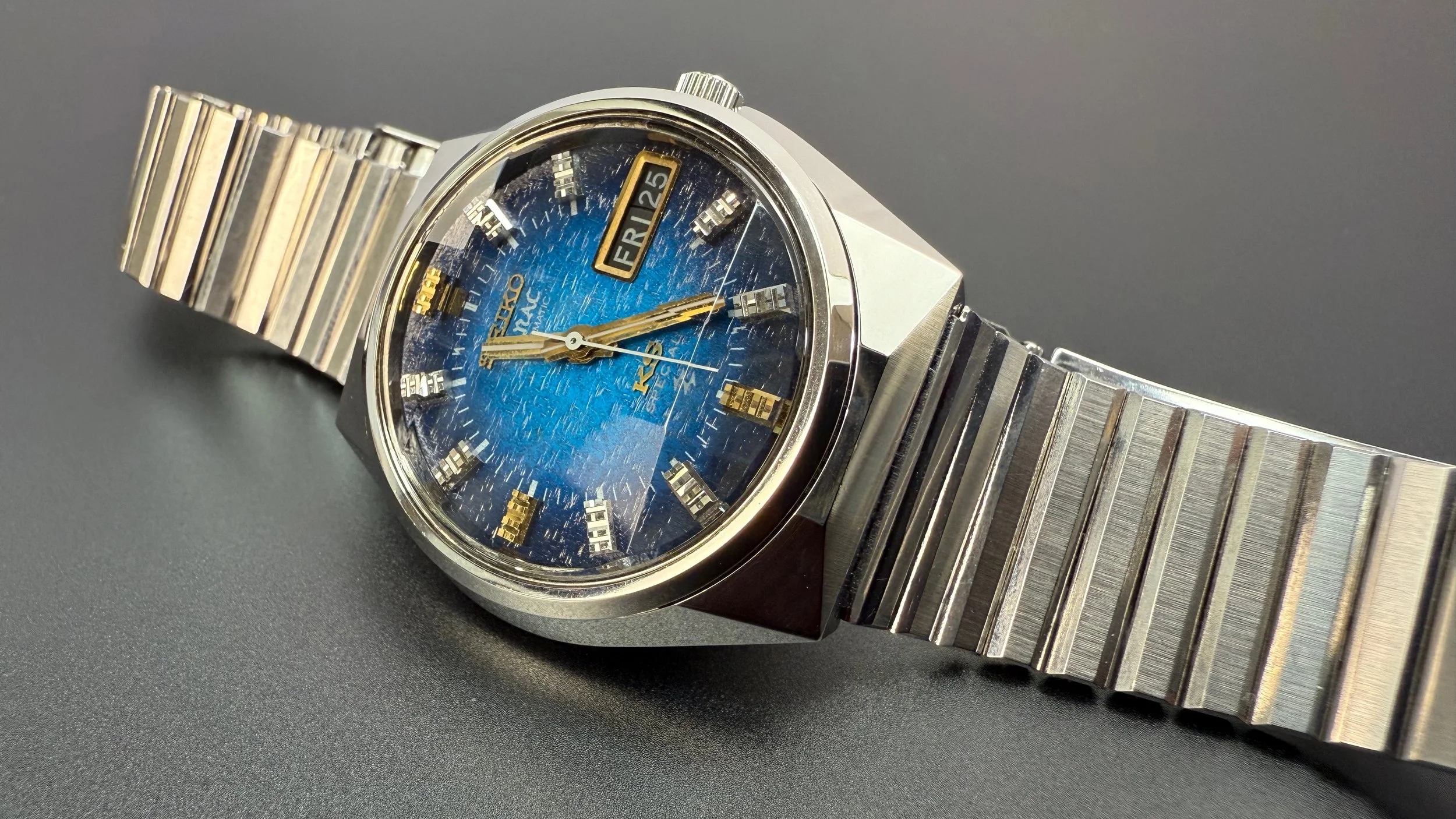
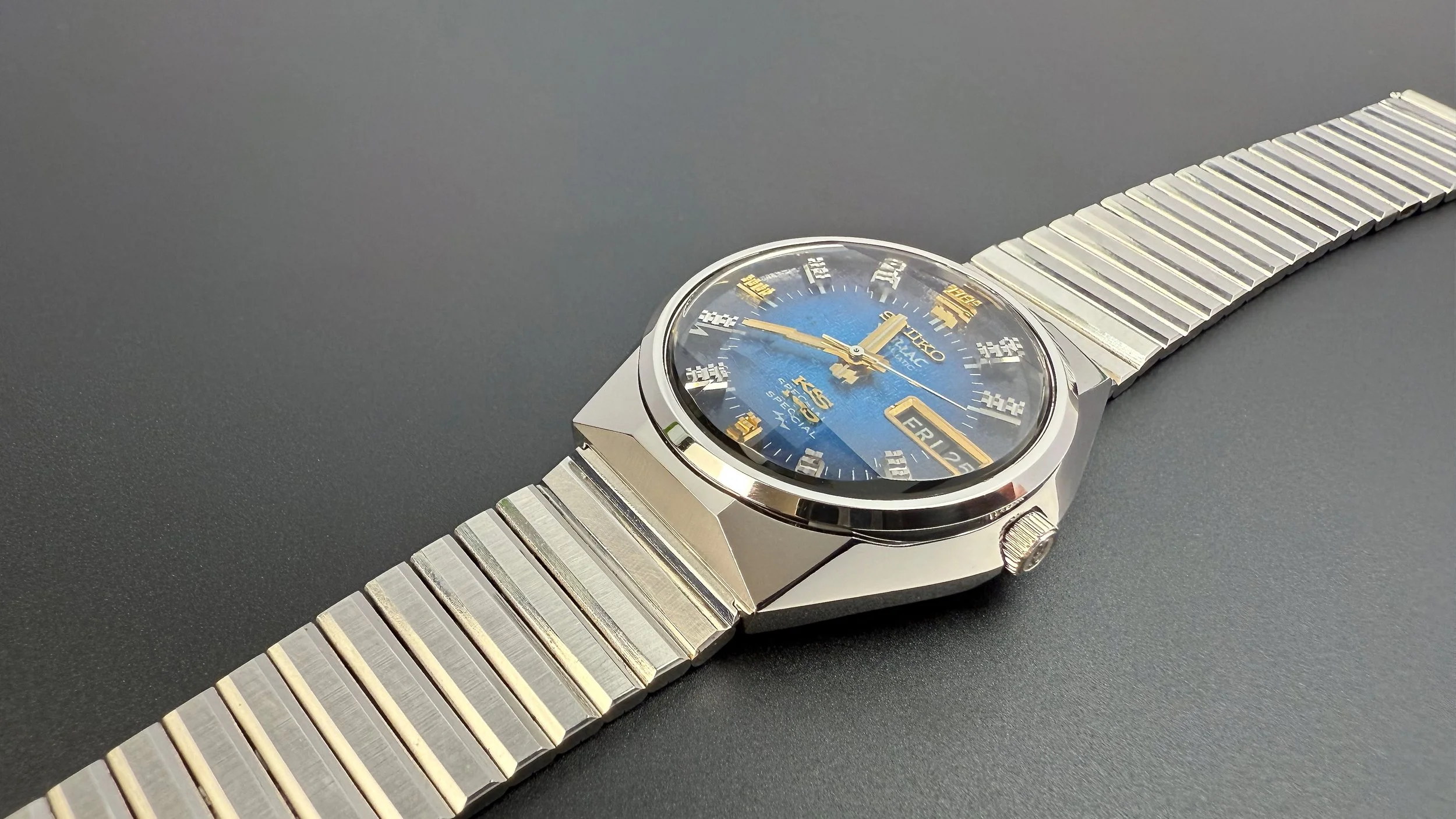
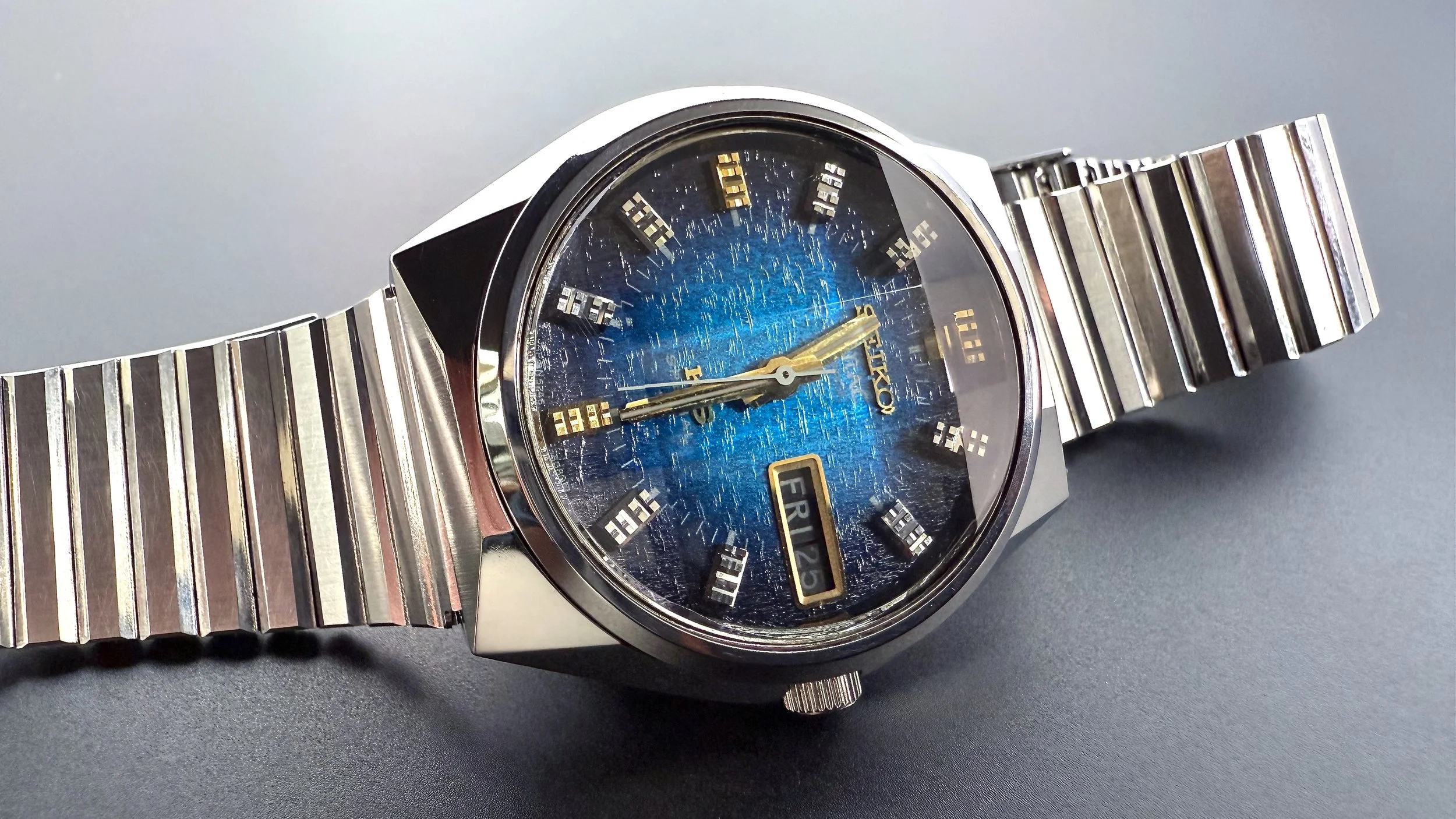
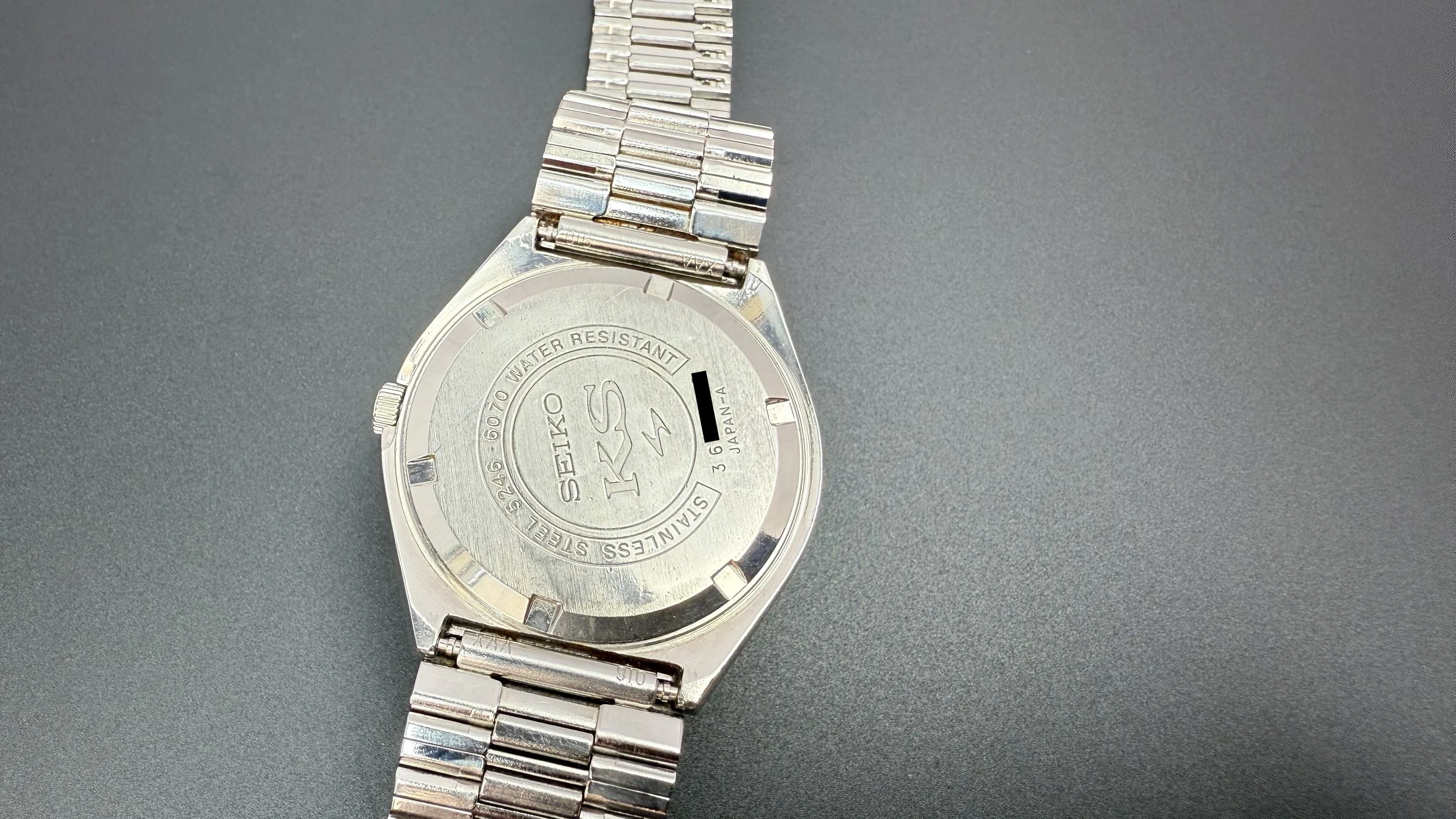
A King Seiko Vanac Special 5246-6070 from the early 1970s, representing the more elevated end of the Vanac line with a stronger emphasis on design, finishing and movement pedigree.
The Vanac line sat near the top of Seiko's domestic lineup, and the Special variants push that further with calibers that collectors often regard as the more technically ambitious side of the King Seiko story.
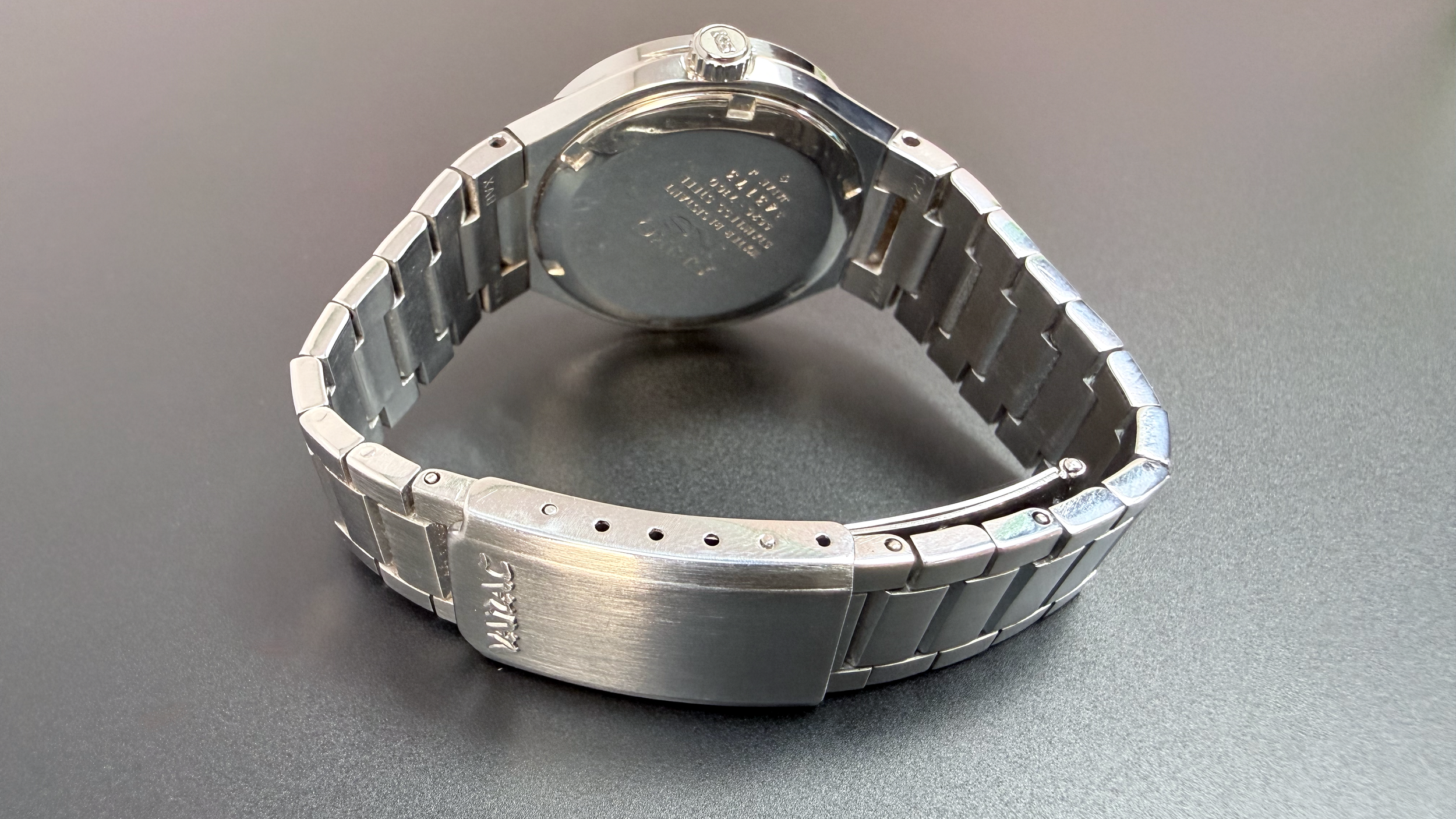
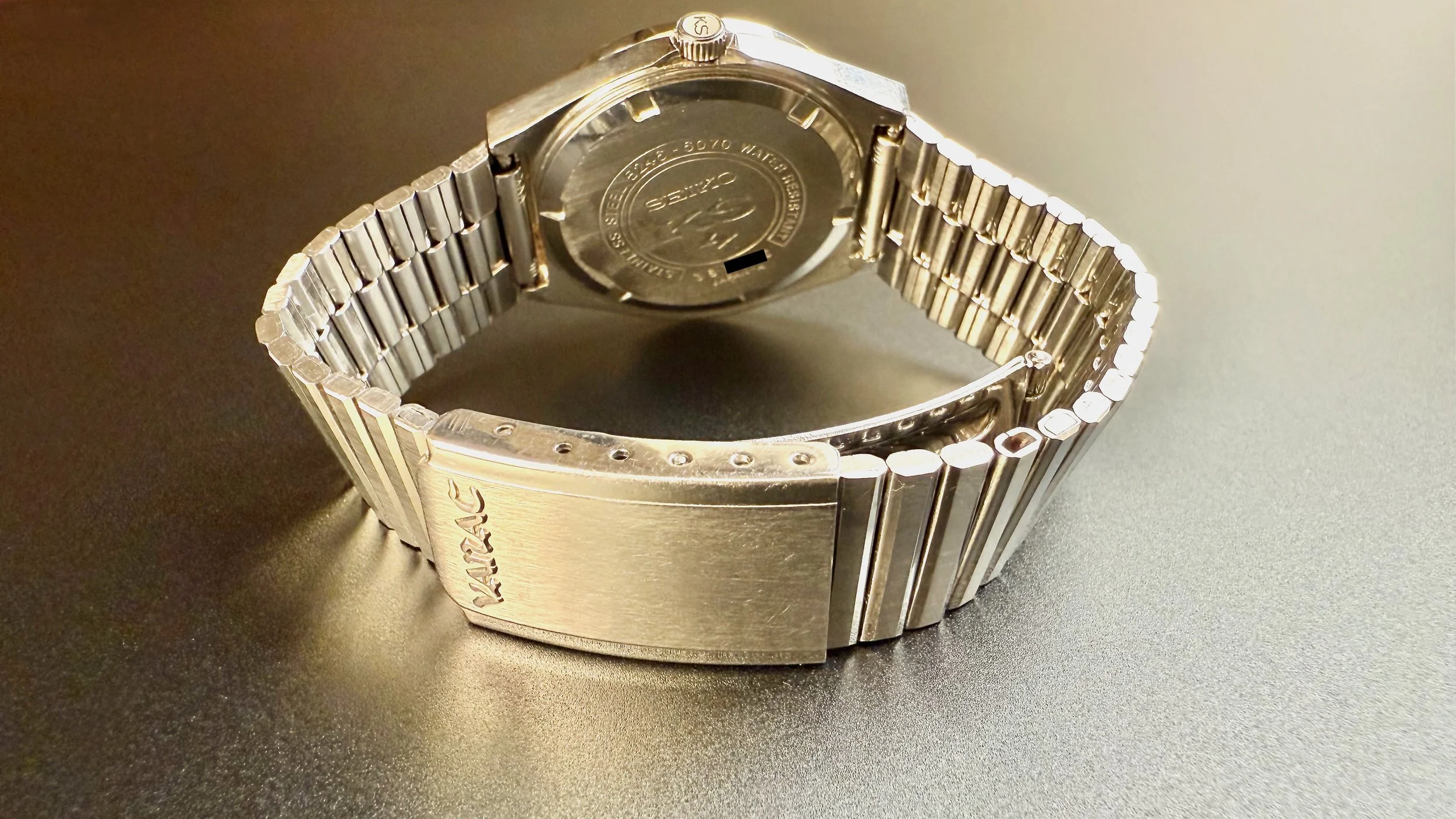
What defines this watch is the full Vanac formula: colorful dial language, facetted crystal, angular case design and the stronger bracelet and bezel execution that separates the line from more standard King Seikos.
This listing matters because Special Vanacs sit in a narrower and more desirable corner of the range, where originality, condition and clear presentation have a direct impact on collector value.
BUYING QUESTIONS
BUYING QUESTIONS
Originality should be judged from the listing photographs and direct description. With Vanac Specials, details such as the facetted crystal, dial, bezel and bracelet matter significantly, so any uncertainty should be treated carefully.
Service status is only represented as stated in the listing. The Vanac family is capable of excellent performance, but recent service should never be assumed unless explicitly disclosed.
Timing performance depends on the exact movement, its condition and service history. Any stated result should be read as an observation at the time of listing, not a permanent guarantee.
Vanac Specials command stronger pricing because they combine top-tier 1970s Seiko positioning, distinctive design, stronger bracelet and crystal execution, and relative scarcity in honest condition. This listing is offered at €1,195, which reflects that higher tier within the vintage Seiko range.
If you want more detail before buying, additional photos and clarification can be requested.
SPECIFICATIONS
SPECIFICATIONS
COLLECTOR NOTES
COLLECTOR NOTES
The King Seiko Vanac was manufactured between 1972 and 1974 only, but in a large number of variations, all sporting colorful dials, facetted crystals and angular cases. Both Seiko production plants contributed, Suwa with the standard KS 5626 Hi-Beat caliber and Daini with the 5246 Special and 5256 Hi-Beat calibers that exist in some normal King Seikos but are most common as Vanacs. Make no mistake however, these movements are totally different movements from the ground up. The 52KS is an indirect center seconds mechanism still seen today in more expensive movements from Jaeger LeCoultre, Patek Phillipe and some Piguets. In less expensive movements like the 5626 KS, due to its inherent complexity and cost indirect center seconds was not used.
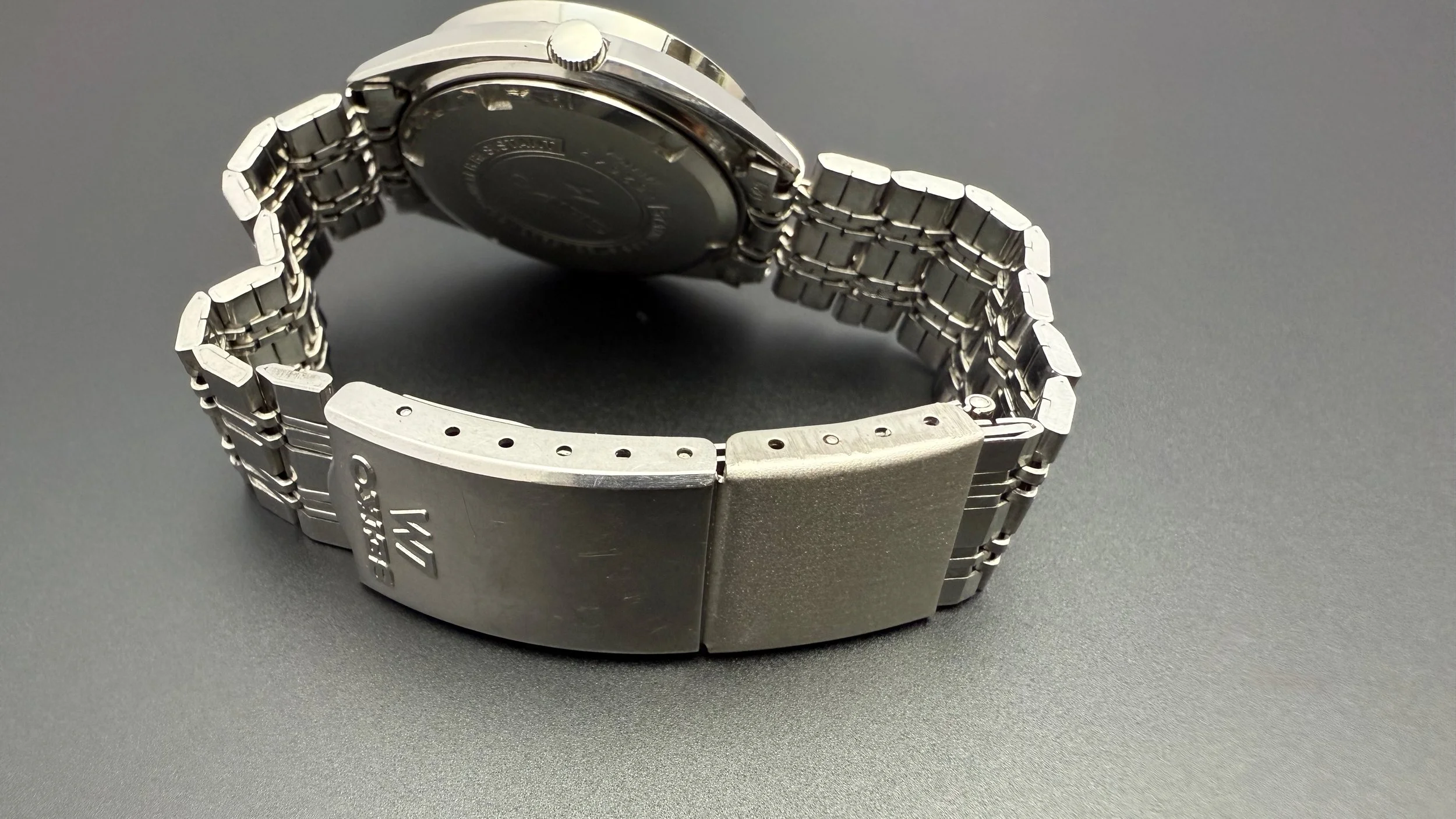
A "regular" Vanac is essentially a KS with added extras: faceted glass, a gold bezel, a high quality bracelet (no folded metal links here) and drilled lugholes (but not all). The KS Vanac JDM (Japanese Domestic Model) was second only to the Grand Seiko as top of the line Seiko during the 1960’s and 70’s. Arguably the 5256 Vanac Special was its equal. Pricing reflects that as that Special could cost you close to a 1000 euro.
Be that as it may, with their thicker 5256 movement inside these watches were ideally suited to get you to the next level of Seiko's horological achievements, because let's be clear, that (extended) indirect seconds pinion now ran through a hollow center wheel pinion (!) to carry the seconds hand in the center of the movement where the minute and hour hand already resided.. The inner mechanics to drive that sophistication are in itself another story of brilliant inventions. It is where the 52 leaves the 56 behind.
Back however to that Vanac quality, it is still very apparent, after 42 years of service that a KS can run as new to specifications. Only one other watch surpasses this performance, and it is a Seiko (of course). Some of the models (but not this one) feature an unique external adjusting screw so that the movement can be adjusted without removing the movement from the case. That would be the 5626-7000/7010, "beause it needs it" critics might say..
There were essentially five movement options in the King Seiko line:
- 5246A/5246B (1968-1974) - Day/date
- 5256A/5246B (1968-1974) - Day/date
- 5621A/5621B (1969-1974) - Time only
- 5625A/5625B (1968-1975) - Date
- 5626A/5626B (1968-1974) - Day/date
These were produced in "A" (unregulated) and "B" (regulated) grades, with some being "Special" movements moving up to the next standard of accuracy - denoted by the third digit 4 and even 5. All "B" movements were chronometer grade, with many receiving official certification, as noted on the dial.
Some models in the 56KS lineup strongly resembled the Grand Seiko line, especially Daini's legendary Grand Seiko 44GS, which had recently gone out of production. You see, at some time in the sixties Taro Tanaka, Seikos first hired graduate of a College Design Program, came up with design rules which eventually came to be known as the Grammar of Design at Seiko. He wanted Grand Seiko and King Seiko watches to sparkle brilliantly when on display and without any distortions.
The rules were simplicity itself:
- Perfectly flat surfaces and angles for cases, dials, hands, indexes
- Two Dimensional faceted curves for the bezel
- All distortion should be eliminated from the dial, hands, indexes and case, the finishing of the dial and case should be a mirror finish so it shines and sparkles
- No more round cases, a unique case design
Those looking for the most valuable King Seiko should look for a mid to late sixties Daini or Suwa release like the King Seiko 5626-7000. (Case and dial design sparkling from all angles). In all its aspects Tanakas design is so iconic that all Seiko products that were released afterward emulated it. Those looking for the most valuable Vanac might look to find these design cues implemented.
Seiko produced many 56KS models at first, but it quickly became apparent that high-end watch buyers were more interested in the new quartz watches the company also produced. Sales and production fell dramatically as the 1970's got underway, with the line petering out in 1974 and 1975. But 1976 the King Seiko was no more, with the 56KS cancelled the previous year and the King Seiko 52KS being the last model in production.
The later and now much rarer versions of the KS were in the Vanac line, the funky mod line of the early 1970’s. There is no official explanation as to why they are called Vanac. As one can see, Vanacs are quality watches with a lot of effort put into the bracelets. Other details such as cases, hands and dials are really 70s GS quality. The size is normal 70s at 36-38mm, but most do not wear small due to the chunky cases. The Vanac is not uncommon, but can be very hard to find in good condition. The facetted crystals are often damaged and it can be hard to find replacements for them.
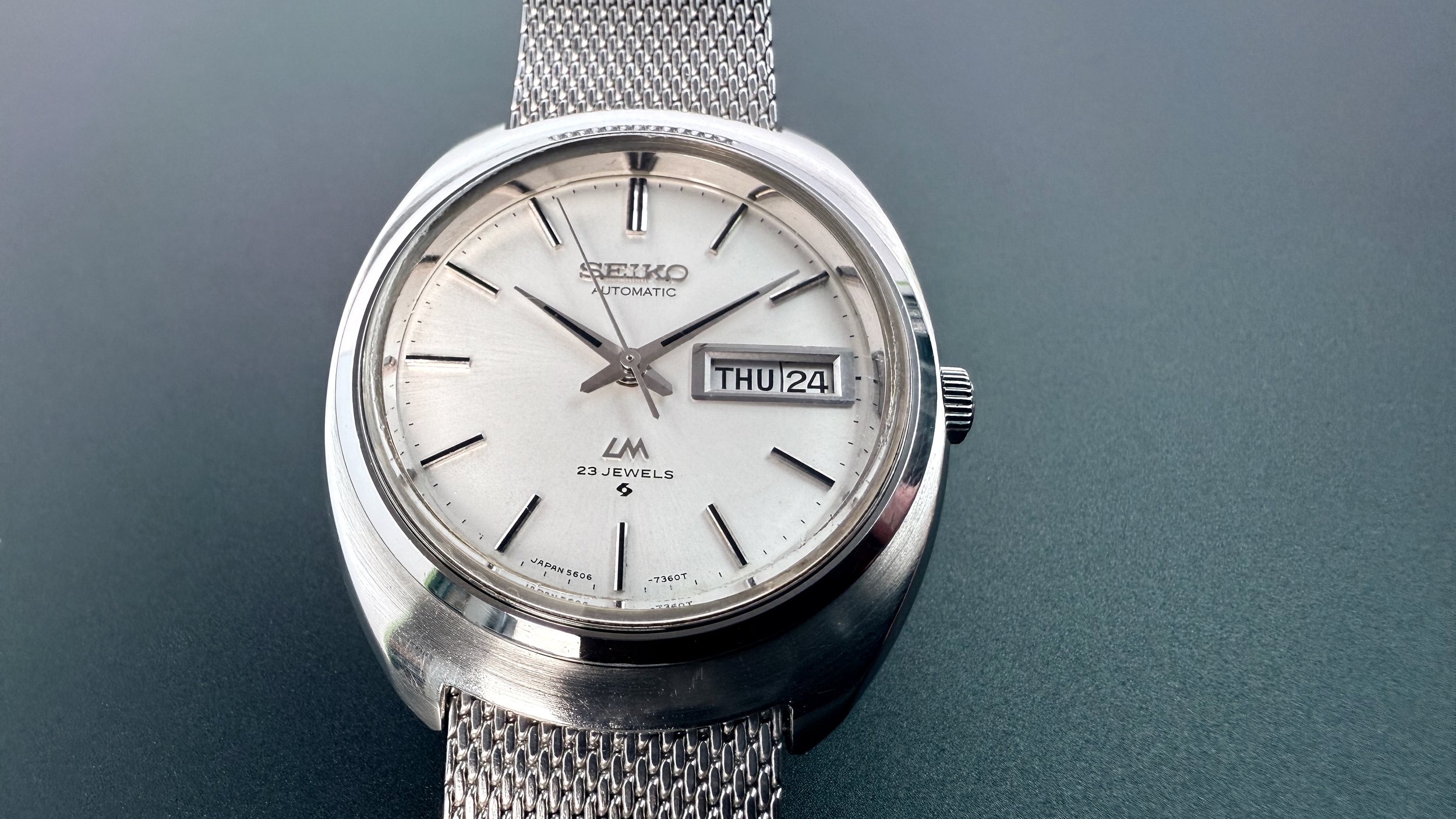
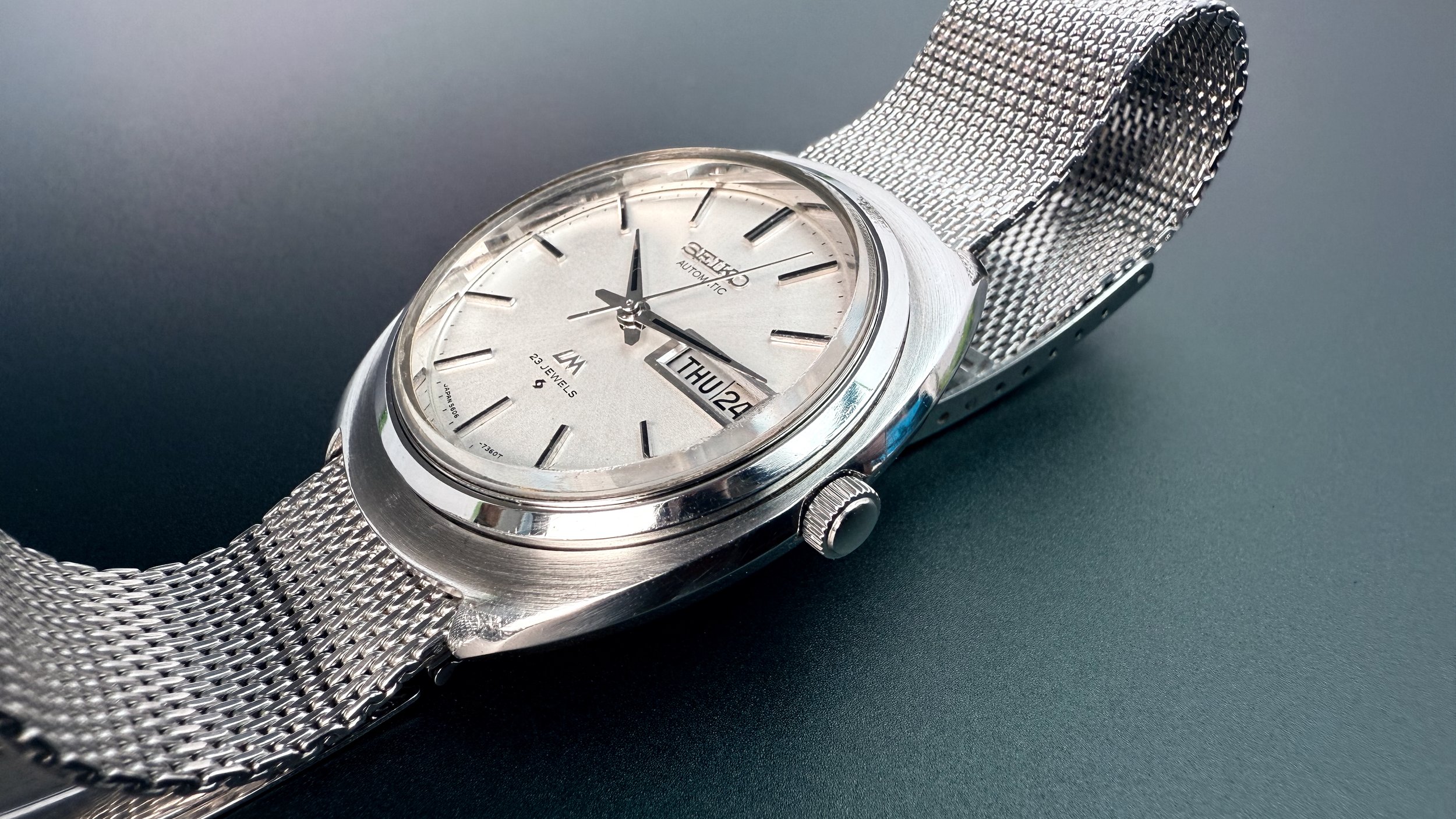
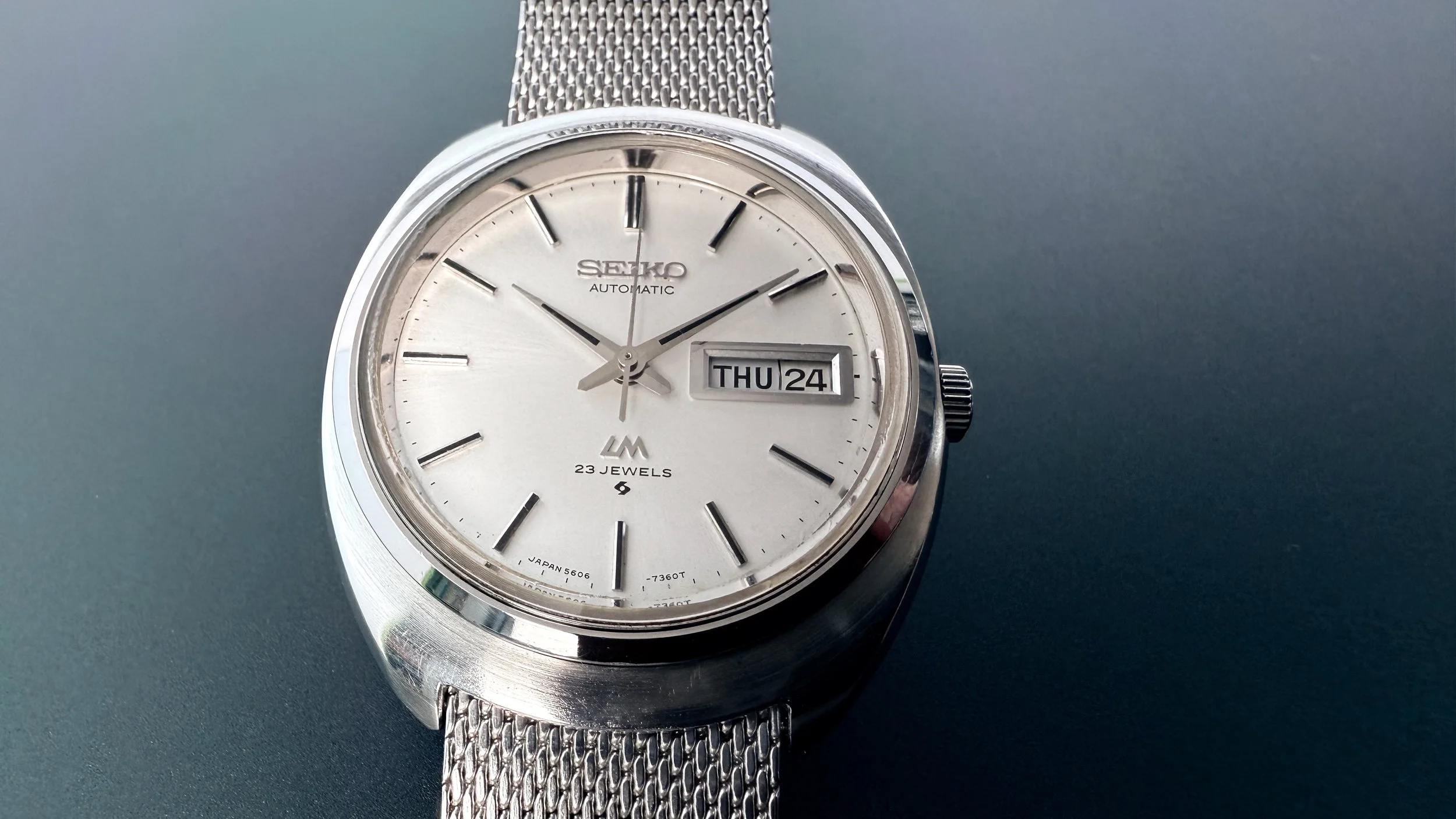
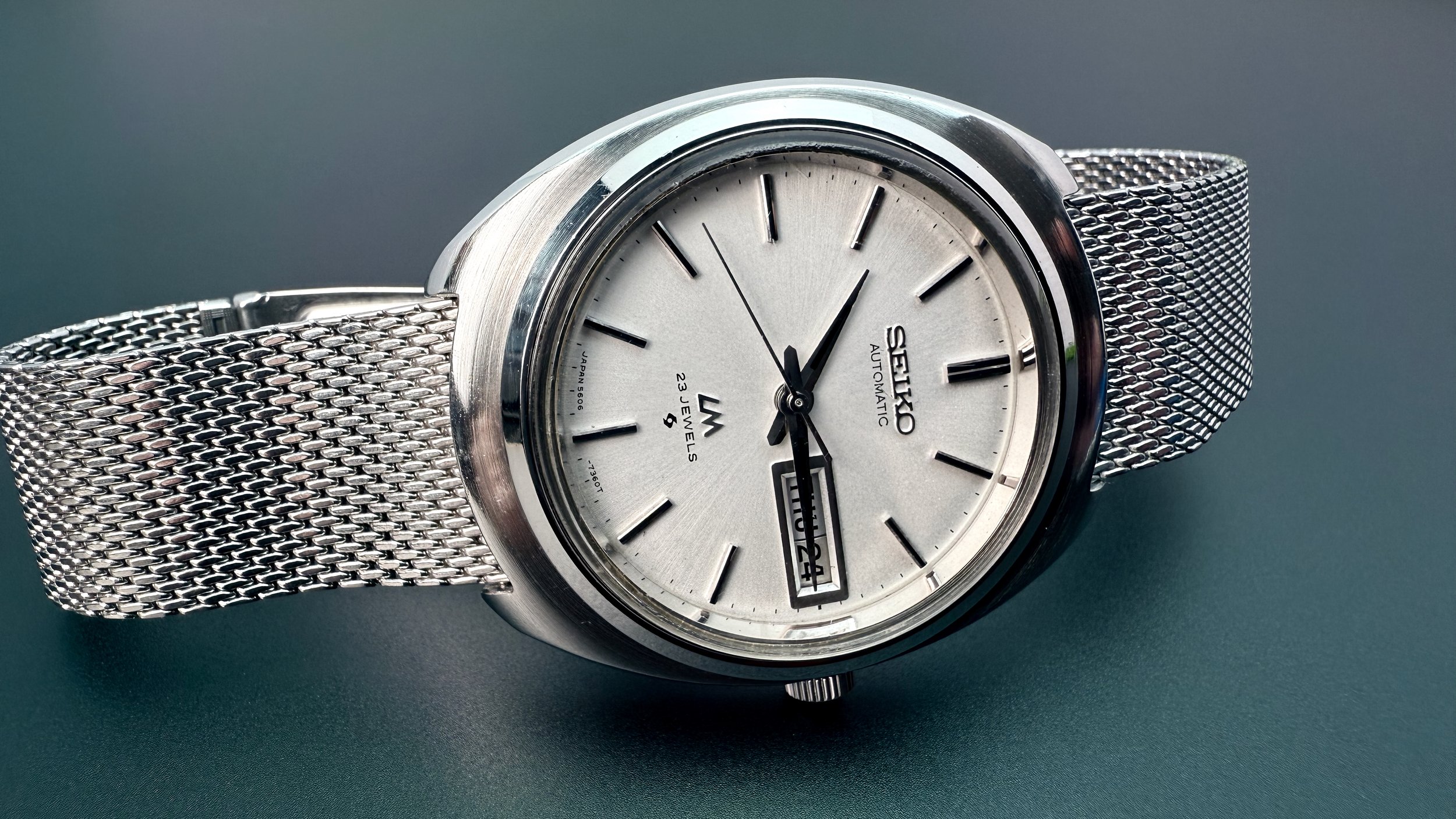
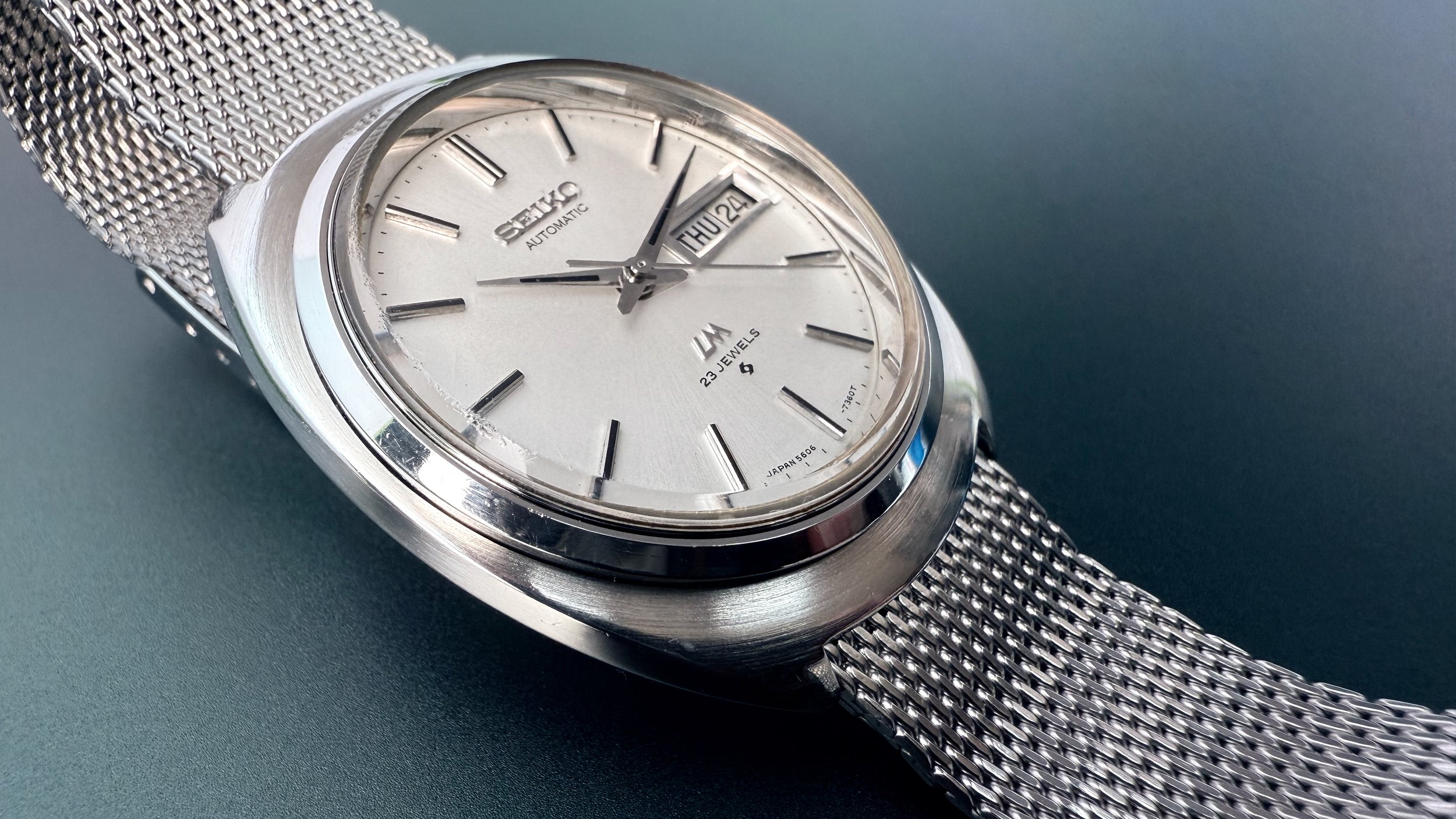
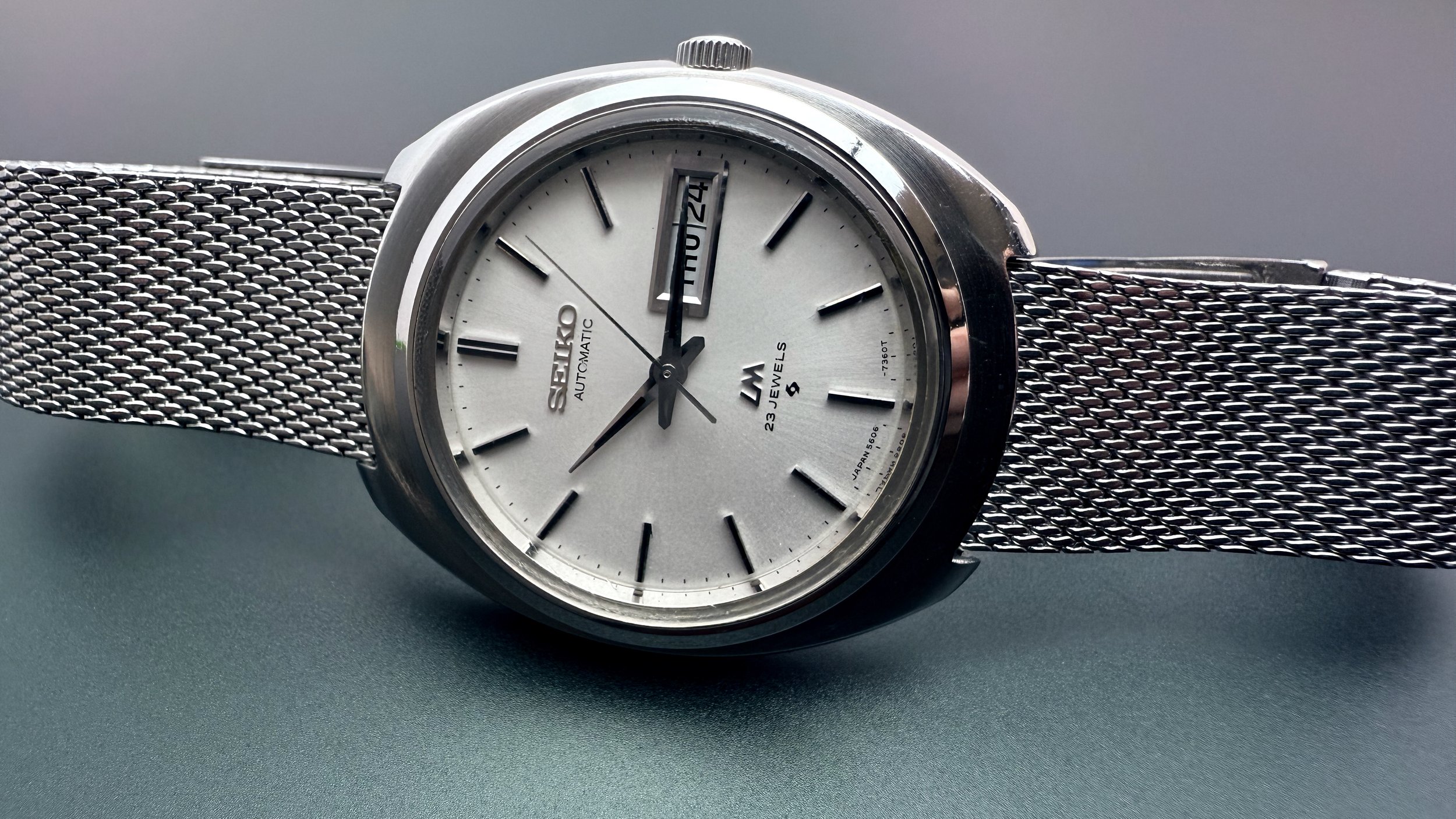
Of course much of what has been said about automatic King Seikos could also be said about automatic Grand Seikos and even some of the Lordmatic (LM) models of the same period. The LM range also used both the 56xx and 52xx movement streams (although lower grade versions, and in the case of the 5606 lower beat), while many Grand Seikos of the period used the 56xx stream. Although the GS 56xx movements were numbered 564x rather than 562x indicating a higher quality and/or level of adjustment, the accuracy it is possible to achieve from 562x KS movements suggests to me that if serviced and adjusted, they are effectively equal to the GS 564x ones. So in this sense, vintage automatic King Seikos may practically be the equivalents of Grand Seikos, but offer better value for money because of the ongoing status of the Grand Seiko label - whereas the KS label is now purely historical.